 comparison
Energy Efficient Blinds vs Shutters 2026: Which Wins?
Table of Contents
- Energy Efficient Blinds vs Shutters: The 2026 Comparison
- The Thermal Insulation Properties of Plantation Shutters
- How Blinds Compare: Honeycomb, Solar and Thermal Options
- Best Energy Efficient Window Coverings for Bay Windows
- A Cost-Benefit Analysis of Shutters vs Blinds
- What to Check Before You Buy: Fit, Standards and Longevity
- Frequently Asked Questions
Last Updated: 19 September 2026
Energy Efficient Blinds vs Shutters: The 2026 Comparison
Energy efficient blinds vs shutters 2026 is a comparison that most homeowners approach backwards. They start with price, then work out whether the product actually keeps heat in. That order costs money. Shutters West London has spent three decades fitting window dressings into period properties. The covering that performs best thermally is rarely the one that looked cheapest on the quote.
Energy efficient window coverings are treatments that reduce heat loss through the glass by trapping a layer of still air between the fabric or panel and the window pane. Honeycomb blinds, thermal-backed roller blinds and solid plantation shutters all do this. How well they do it depends on fit, material and how the window is used.
Here is the short answer. Plantation shutters win on insulation, durability and resale value. Honeycomb blinds win on upfront cost and softness. Solar blinds win in rooms that overheat in summer. The rest of this comparison breaks down where each one earns its place, and where it does not.
The Thermal Insulation Properties of Plantation Shutters
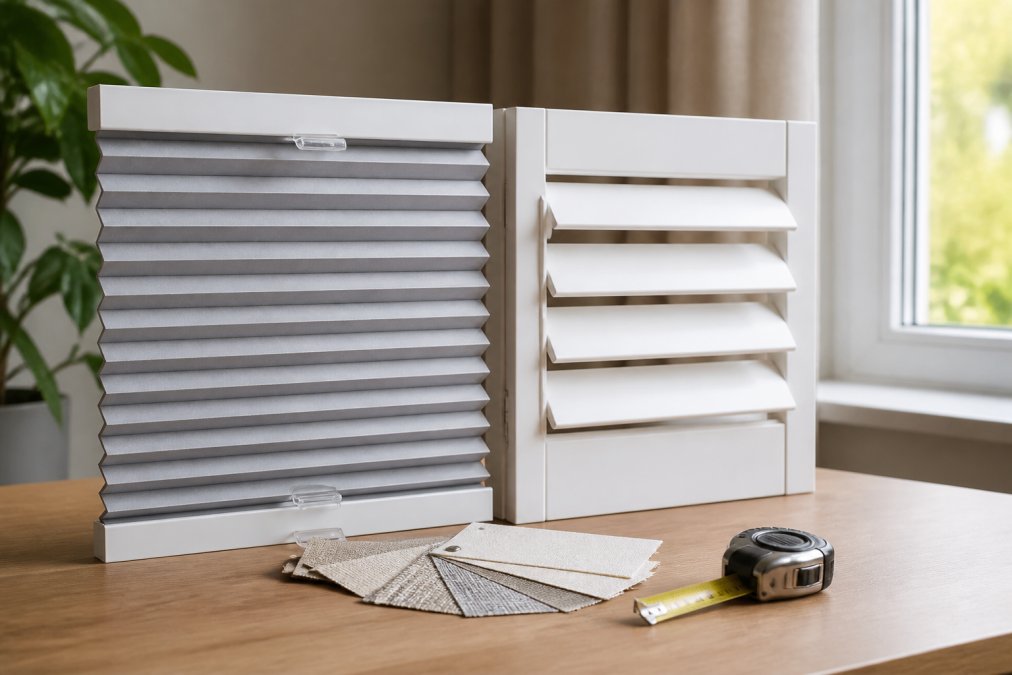
Plantation shutters insulate well because they create a sealed pocket of air between a rigid panel and the glass. That pocket is the insulation. The louvres themselves matter less than the frame.
A solid hardwood or high-density composite panel holds its shape for decades. It does not sag, warp or lose tension the way fabric does. Because the panel sits close to the window and closes flush, there is very little convection current to carry warm air out. Adjustable louvres also let you control airflow without opening the window, which matters in older properties where draughts already come through the frame.
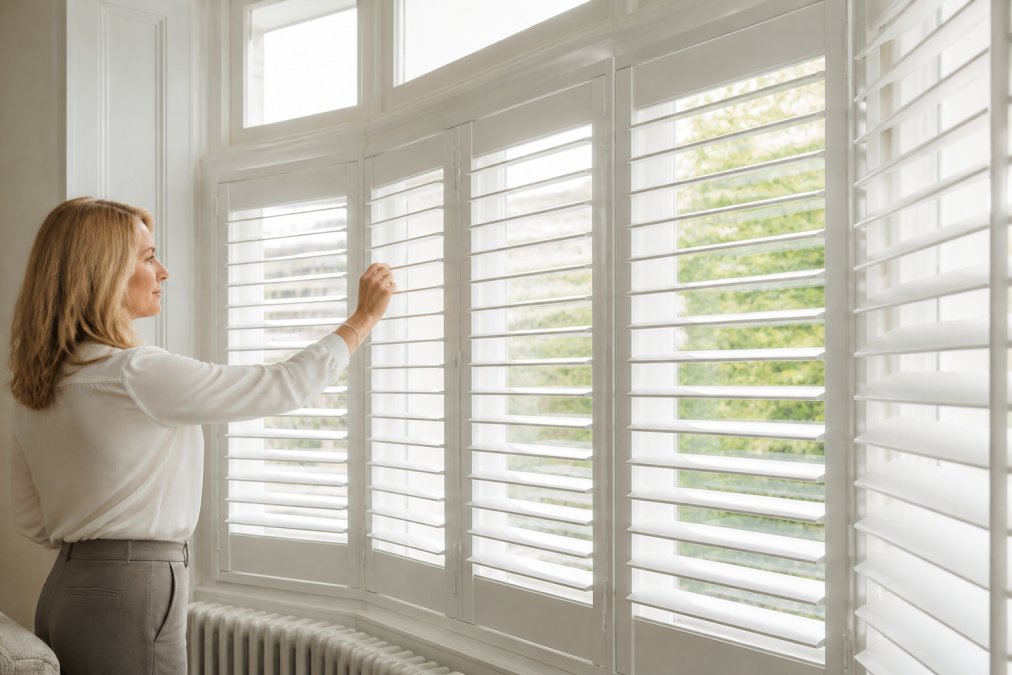
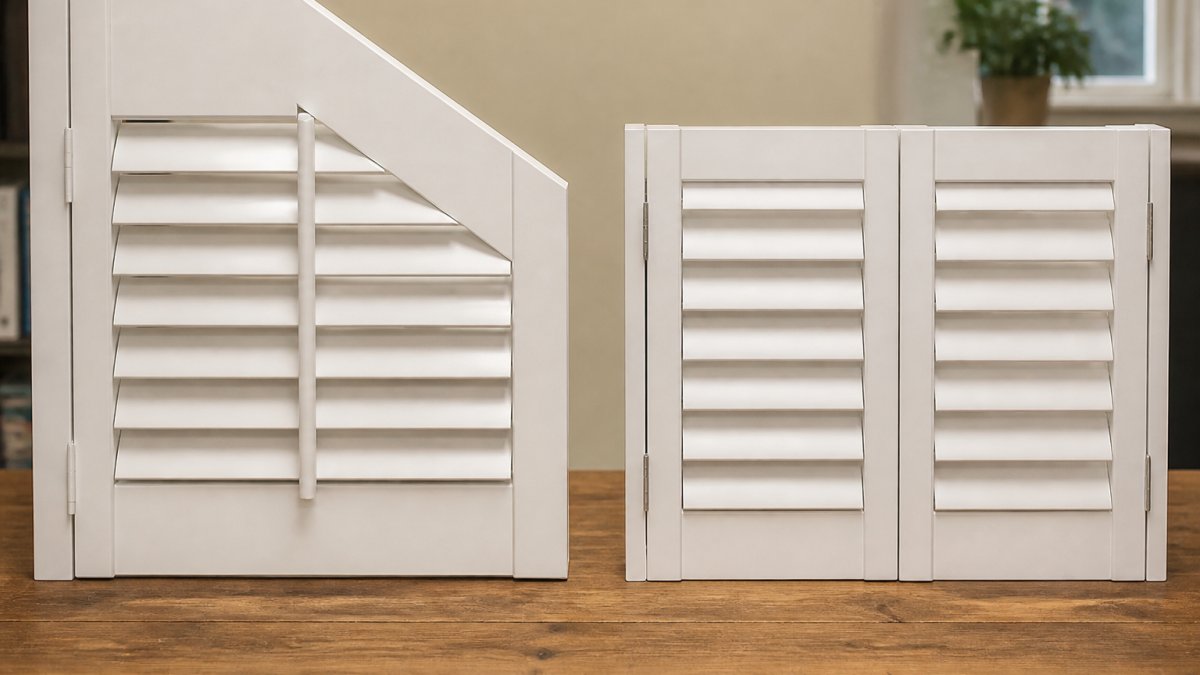
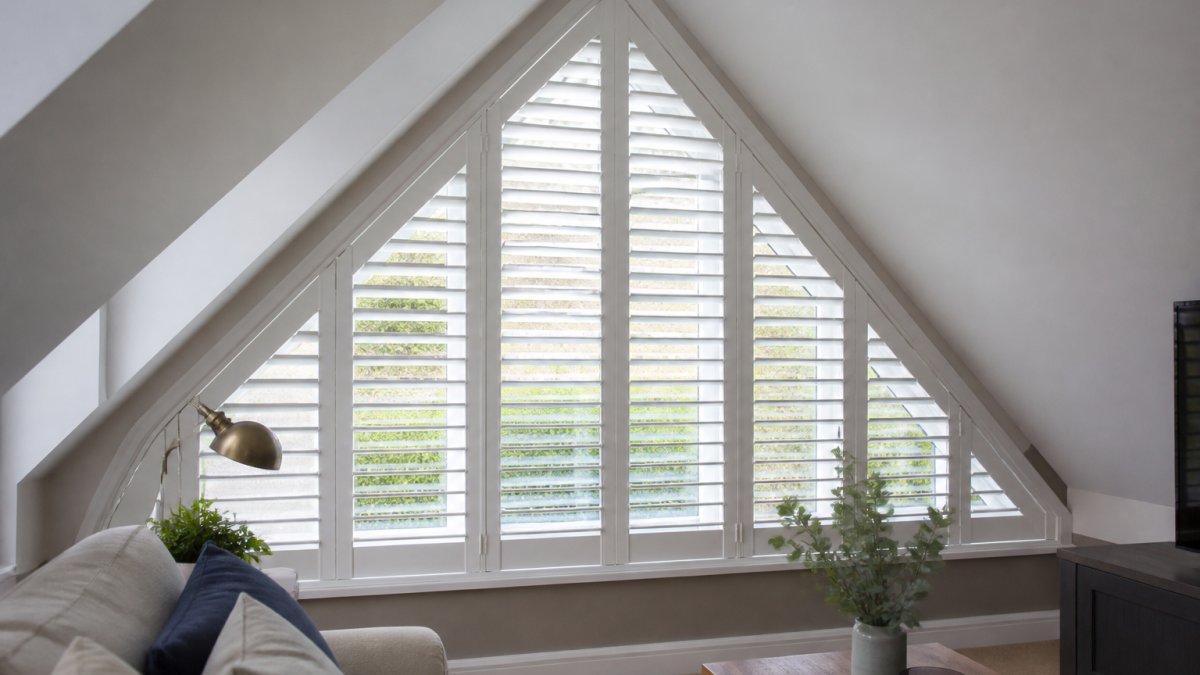
Where shutters fall short is cost and weight. A bespoke panel for an awkward or arched window takes time to make. What most guides miss is that the insulation value comes from the fit, not the brand name on the box.
How Blinds Compare: Honeycomb, Solar and Thermal Options
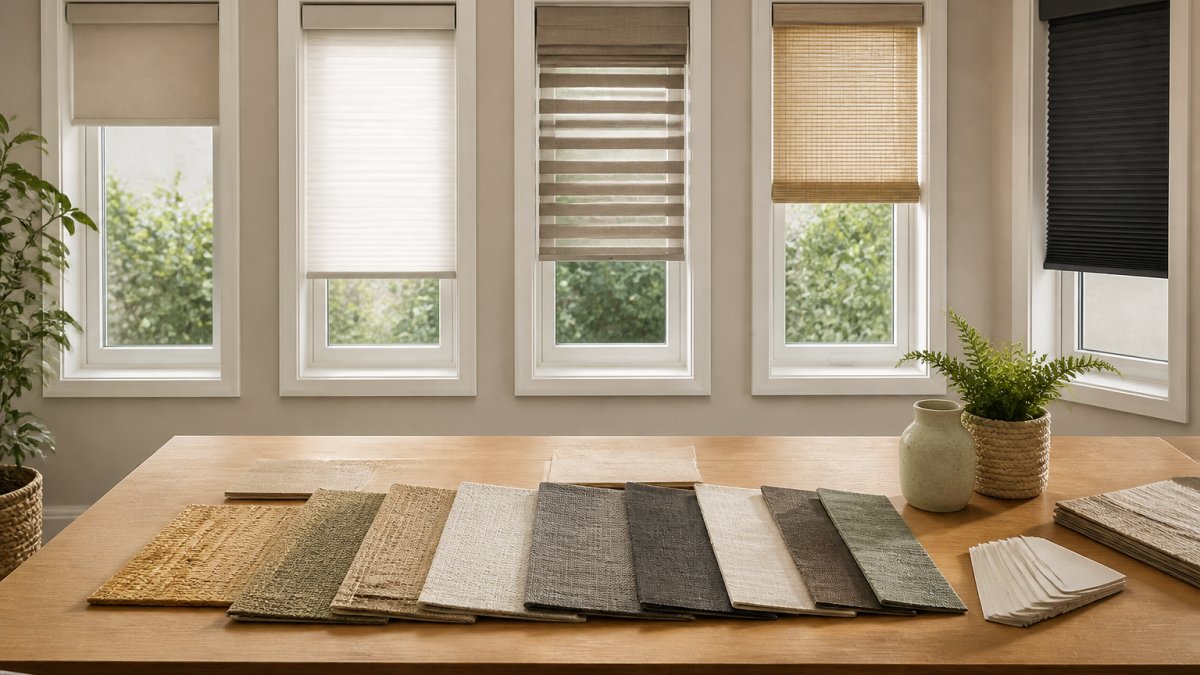
Honeycomb blinds are the strongest blind option for trapping heat. Their cellular structure holds air in pockets, similar in principle to double glazing. They suit bedrooms and living rooms where you want maximum thermal performance and a softer look than timber.
Solar shades behave differently. They are built to block solar heat gain and UV, not to retain heat in winter. In a south-facing room that becomes unbearable in July, they are the better choice. In a north-facing room that never warms up, they do almost nothing.
| Option | Best For | Main Strength | Main Limitation |
|---|---|---|---|
| Honeycomb blinds | Bedrooms, living rooms | Traps air in cells | Harder to clean |
| Solar shades | Sunny, overheating rooms | Blocks UV and glare | Weak winter insulation |
| Thermal roller blinds | Modern interiors, automation | Scheduled operation | Needs power or batteries |
| Plantation shutters | Period and bespoke windows | Rigid, sealed fit | Higher upfront cost |
Motorised roller blinds with thermal backing add convenience. They can open and close on a schedule to match the sun, which many homeowners find genuinely useful. The trade-off is a power source or battery maintenance, and fabric that will not last as long as a solid panel.
Best Energy Efficient Window Coverings for Bay Windows
Bay windows are the hardest case, and they are common in period housing. Three angled panels meet at fixed joints, and each one faces a different direction. A standard off-the-shelf blind cannot follow that geometry.
The best energy efficient window coverings for bay windows are made to measure, panel by panel. A bespoke shutter is built to the exact angle of each return, so the frame closes flush against every face. That is what stops the draughts that plague bay windows in older homes.
Blinds can work in a bay, but only if each panel is measured separately and mounted inside the recess. Even then, fabric tends to bow across a wide opening, which opens a gap at the edges. For a bay, shutters are the more reliable answer.
A Cost-Benefit Analysis of Shutters vs Blinds
The cost-benefit analysis of shutters vs blinds comes down to how long you plan to stay. Blinds cost less on day one. Shutters cost less per year of service.
Honeycomb and solar blinds typically need replacing or restringing within a decade, and fabric fades. A well-made hardwood or composite shutter can last twenty years or more with basic cleaning. Divide the upfront cost by the years of use and the gap narrows sharply.
There is also the resale effect. Solid shutters are a fixed improvement that buyers notice during a viewing, in the same way they notice a good kitchen. Blinds are treated as a furnishing. That difference does not show up on a quote, but it shows up at sale.
Pricing depends on window count, size, material and complexity, so it is worth getting a measured quote rather than comparing headline figures online. Shutters West London offers a free home consultation and measurements, with no-pressure quotes, so you can see the real number for your windows before deciding.
What to Check Before You Buy: Fit, Standards and Longevity
Fit is the single factor that decides whether your covering performs. Check three things before you commit.
- Measurement method. Confirm the supplier measures on site, not from your own tape readings. Angled and arched frames are easy to misread.
- Material density. Thin panels flex and lose their seal. Ask what the panel is made from and how it holds its shape.
- Child safety. Corded blinds sold in the UK must meet child safety requirements. Cordless or wand-operated options avoid the issue entirely.
- Warranty and aftercare. Ask what happens if a panel sticks or a louvre fails after installation.
- Longevity. Solid shutters should outlast the mortgage term on the window.
UK government guidance on blind cord safety sets out the requirements for corded window coverings, which is worth reading before you buy anything corded.
For buyers who want a permanent, made-to-measure result, Shutters West London builds every set from scratch, including bay and arched frames, with a 10/10 Checkatrade rating across all reviews. If you are weighing up options, a free consultation is the fastest way to get a real figure.
Choosing between blinds and shutters is really a question about how long you intend to live with the decision. Blinds are a short-term fix that works well in the right room. Shutters are a permanent improvement that pays back over years, not months. If your property has bay, arched or awkward windows, the fit is the whole game, and that is where bespoke work earns its cost. Get started with Shutters West London and book a free home consultation, with made-to-measure panels, full light control and honest, no-pressure pricing.
Frequently Asked Questions
Are plantation shutters more energy efficient than blinds?
Bespoke plantation shutters create a rigid, close-fitting barrier that reduces draughts and heat loss, especially when custom-made for awkward frames. Honeycomb blinds trap air in their cells and perform well on standard windows, but shutters generally last longer and keep their insulating fit for decades. The best choice depends on your window shape and how long you plan to stay in the property.
Do shutters help keep a house warm in winter?
Yes. Because made-to-measure shutters sit tight against the frame with minimal gaps, they limit cold air movement between the glass and the room. Closing the louvres at dusk adds another layer of separation. On period properties with original sash or bay windows, this close fit often makes a noticeable difference compared with loose curtains or poorly fitted blinds.
Which window coverings provide the best thermal insulation?
It depends on the window. Honeycomb (cellular) blinds offer strong insulation on standard rectangular windows because the air pockets inside the cells slow heat transfer. For bay, arched or awkward shapes, bespoke shutters usually win because they can be crafted to follow the frame exactly, leaving no gaps for draughts. Solar blinds are better at blocking summer heat than retaining winter warmth.
How do bespoke shutters improve home energy ratings?
Energy Performance Certificates assess a property's overall efficiency, and windows are one factor. A tight-fitting secondary barrier such as bespoke shutters reduces heat loss through glazing, which can help the property retain warmth and ease the load on your heating system. The exact impact varies by window type, wall construction and how the shutters are fitted.
Can window treatments help meet current building energy standards?
Window dressings are not a substitute for compliant glazing or insulation under Part L of the Building Regulations, but they can support overall performance in a retrofit. If you are renovating a period property, a free home survey can identify where draughts are worst and which window coverings will make the most difference for your budget.