 comparison
Plantation Shutters vs Roman Shades for Bays
Table of Contents
- Plantation Shutters vs Roman Shades for Bays: The Quick Comparison
- Pros and Cons of Roman Shades for Bay Windows
- Measuring Bay Windows for Shutters: Why Angles Matter
- Thermal Efficiency of Window Dressings in Bay Windows
- Light Control and Privacy: Shutters vs Roman Shades
- Which Is Right for Your Bay Window?
- Frequently Asked Questions
Last Updated: September 27, 2026
Plantation Shutters vs Roman Shades for Bays: The Quick Comparison
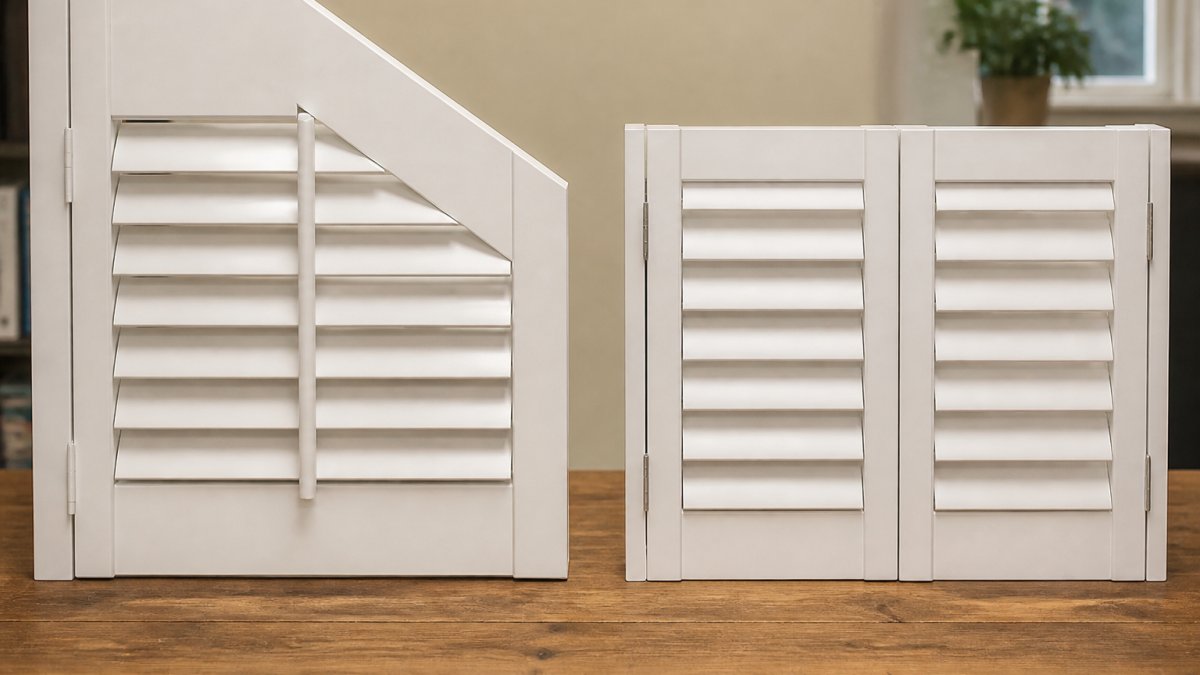
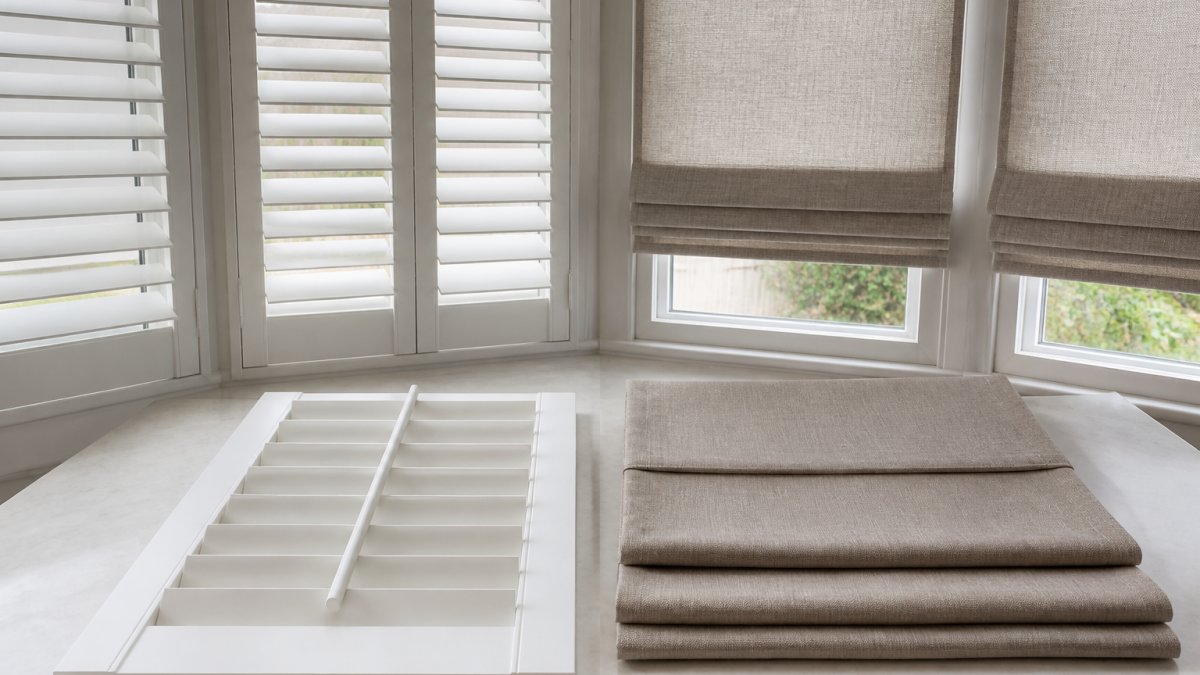
Choosing between plantation shutters vs roman shades for bays comes down to one question: do you want a permanent architectural feature or a softer, changeable layer of fabric? Plantation shutters are rigid, made-to-measure panels with adjustable louvres, built to follow the angles of a bay frame. Roman shades are fabric panels that fold into neat horizontal pleats when raised. This guide from Shutters West London sets out where each wins, where each falls short, and which suits the awkward corners of a period bay.
The short answer: shutters give you better light control, privacy and lifespan on a bay. Roman shades give you warmth, texture and a lower upfront cost. The right pick depends on your window's shape, how the room is used, and how long you plan to keep the dressing in place.
British Blind and Shutter Association guidance on window dressings
At-a-Glance Comparison Table
| Factor | Plantation Shutters | Roman Shades |
|---|---|---|
| Material | Rigid wood or composite | Fabric |
| Fit on angled bays | Made-to-measure per panel | Needs careful measuring |
| Light control | Adjustable louvres | Raise or lower only |
| Thermal performance | Good with closed louvres | Good with lined fabric |
| Lifespan | Long-term, structural | Shorter, fabric wears |
| Upfront cost | Higher | Lower |
| Best for | Period bays, permanent finish | Softening a room, renters |
Pros and Cons of Roman Shades for Bay Windows
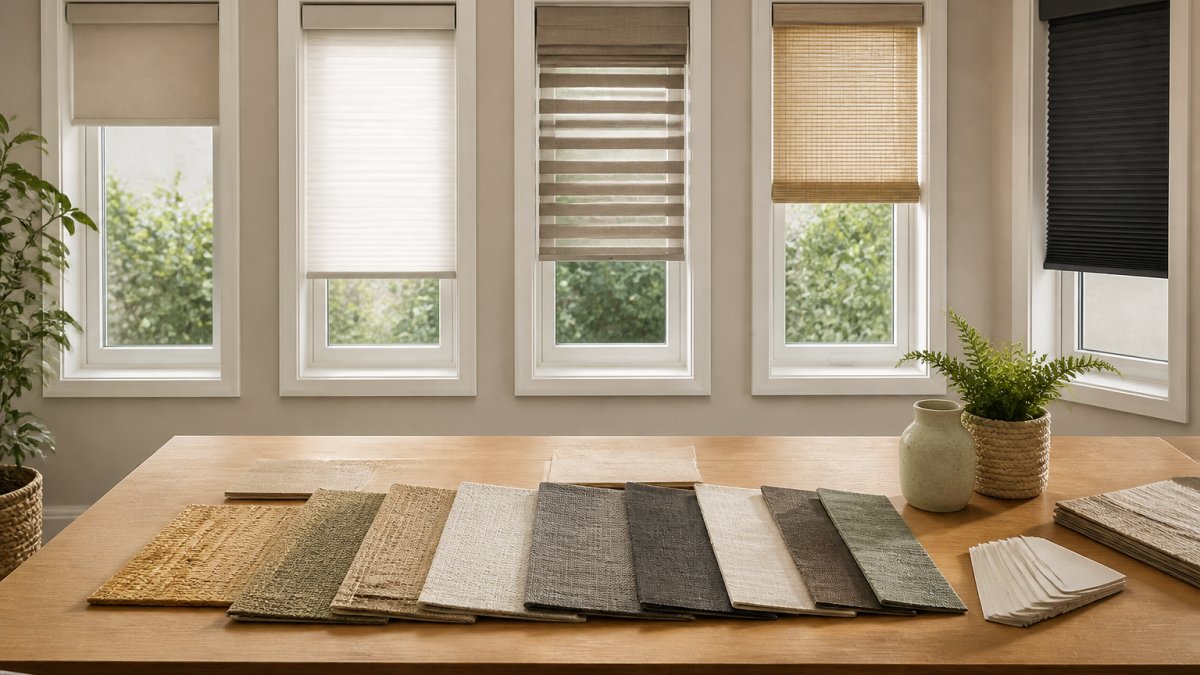
Roman shades for bays bring softness that rigid panels cannot match. The fabric absorbs sound, adds colour and texture, and folds away cleanly when you want the full window back. For a bedroom or a lounge with hard floors and little soft furnishing, that acoustic dampening genuinely changes how the room feels.
The pros stack up well:
- Wide choice of fabrics, patterns and linings
- Blackout lining options for bedrooms
- Typically less expensive upfront than bespoke shutters
- Warmer, softer visual profile
The cons matter just as much on a bay. Fabric shades sit in one plane, so on a three-sided bay they either need separate shades per section or a track system that can look fussy. They also wear faster than shutters, and cleaning fabric in a kitchen or bathroom is far harder than wiping a louvre.
When Roman Shades Make Sense
Roman shades for bays suit rooms where softness and flexibility matter more than permanence. A rented flat, a room you redecorate often, or a bay you want to keep light and airy all point toward fabric. If the bay is a single flat window rather than a true angled recess, a shade is simple and effective.
Where They Fall Short on Bays
True angled bays expose the weakness. Fabric cannot follow a corner without either a gap or a separate panel, and stacked shades on a three-sided bay can look cluttered. Over time, sunlight fades fabric and the cords or springs wear. Shutters hold their shape and finish for far longer.
Measuring Bay Windows for Shutters: Why Angles Matter
Measuring bay windows for shutters is not the same as measuring a flat window. Each section of a bay sits at its own angle, and those angles decide how each panel is cut and fitted. Get the angles wrong and the louvres will not sit flush, the panels will rub, or light will leak at the corners.
A common mistake is measuring the width of the bay opening rather than each individual face. On a Victorian or Edwardian bay, the side returns are often narrower than the front, and the angles are rarely a clean 45 degrees. A fitter measures each face, the depth of the recess, and the true angle where panels meet.
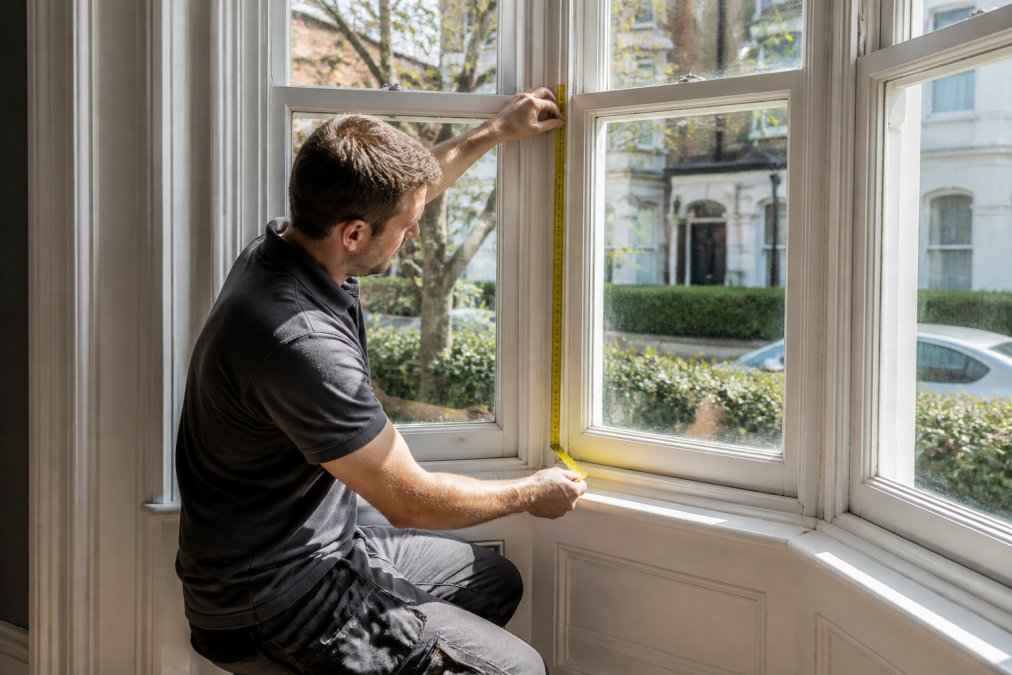
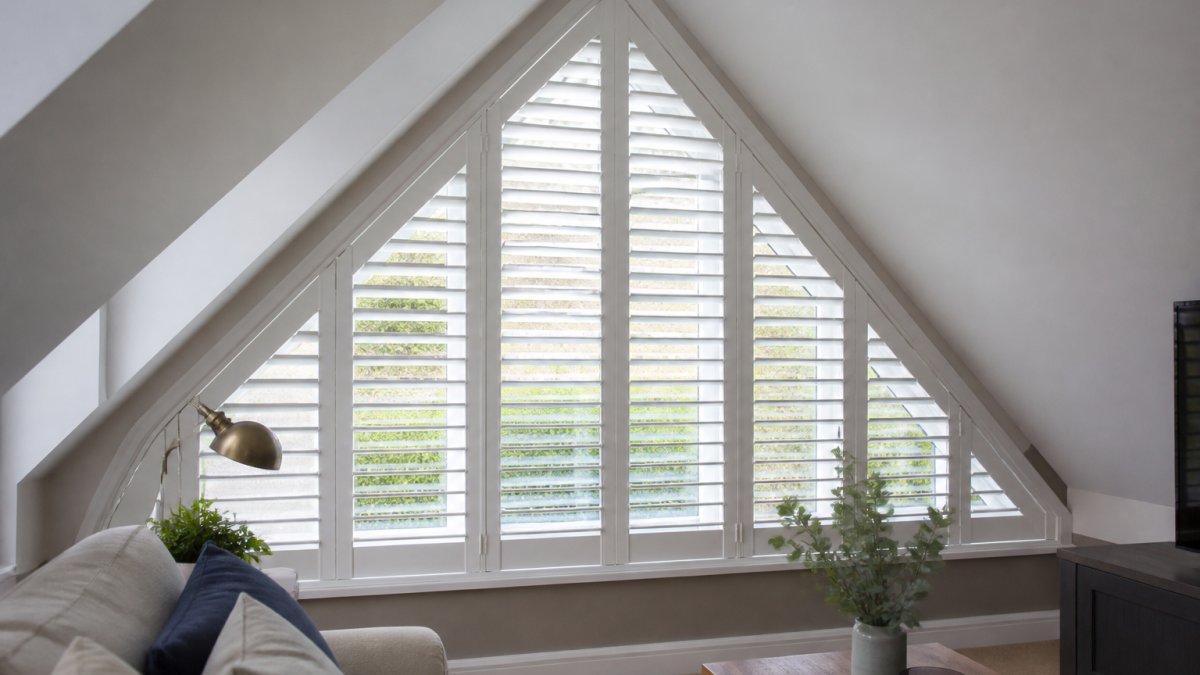
Because every set is made from scratch rather than templated, a bespoke maker can account for those quirks. Shutters West London has spent 30 years fitting bay, arched and awkward frames, and the free home consultation and measurement step exists precisely to catch these details before anything is cut.
Thermal Efficiency of Window Dressings in Bay Windows
The thermal efficiency of window dressings in bay windows depends on how well they trap air against the glass. A bay has more glass than a flat window, and more glass means more heat loss in winter and more solar gain in summer. The dressing you choose either helps or does nothing.
Shutters perform well because closed louvres create a still air gap between the room and the glass. Lined roman shades do something similar, and a blackout or thermal lining improves the effect. The difference is control: with shutters you can angle the louvres to block summer sun while keeping the room bright, whereas a shade is either up or down.
Energy Saving Trust advice on reducing heat loss at home
For a bay that catches afternoon sun, adjustable louvres let you cut glare without darkening the whole room. Fabric shades tend to force a choice between full light and full shade.
Light Control and Privacy: Shutters vs Roman Shades
Shutters win on both light control and privacy. Adjustable louvres let you fine-tune exactly how much light enters, from fully open to fully closed, and the tilt stays where you set it. Roman shades offer two positions: raised or lowered. You cannot tilt them to soften a harsh afternoon glare.
Privacy follows the same logic. On a street-facing bay, closed louvres give you privacy while still letting daylight through the slats. A lowered shade blocks the view entirely, which is fine at night but gloomy by day. For ground-floor bays or rooms overlooked by neighbours, that flexibility is the deciding factor.
Which Is Right for Your Bay Window?
Pick plantation shutters if the bay is a permanent feature you want to keep for years, if you need precise light control, and if the frame has angles that need a made-to-measure fit. Pick roman shades if you want softness, a lower upfront cost, or you are dressing a rental where fabric is easier to change.
| Your situation | Best choice | Why |
|---|---|---|
| Period bay, long-term home | Plantation shutters | Fits angles, lasts, adds value |
| Rental or short-term | Roman shades | Cheaper, easier to swap |
| Street-facing, privacy needed | Plantation shutters | Tilt for privacy, keep light |
| Bedroom, blackout wanted | Either, with lining | Blackout lining works on both |
| Modern flat, flat window | Roman shades | Simple and effective |
For most bay windows in period homes, shutters are the better long-term investment. They are made to follow the frame, they hold their finish, and they give you control that fabric cannot. Shutters West London makes every set from scratch, never from a template, with a free home consultation and no-pressure quote.
A bay window is rarely a simple rectangle, and that is exactly where off-the-shelf dressings fail. Shutters West London has spent three decades crafting made-to-measure plantation shutters for bay, arched and awkward frames, with complete personalisation of styles, colours and tilt rods, full light control with optional blackout features, and a premium finish that transforms the room. Every set is made from scratch, backed by a 10/10 Checkatrade rating across all reviews. Get started with Shutters West London and book your free home consultation and measurement.
Frequently Asked Questions
Are plantation shutters better than roman shades for bay windows?
Plantation shutters generally suit bay windows better because they are made to measure for each angled panel, giving precise light control and a built-in finish. Roman shades work on standard windows but often struggle with the angled corners of a bay, leaving gaps or uneven folds. For awkward or arched frames, bespoke shutters provide a cleaner fit and longer lifespan.
Do roman shades provide enough privacy for bay windows?
Roman shades can offer good privacy when fully lowered, especially with a blackout lining. However, because they operate as a single panel per window, you cannot adjust the top and bottom independently like you can with shutter louvres. If your bay faces a street or neighbouring property, shutters give more flexible day-to-day privacy control.
How do plantation shutters affect the resale value of a property?
Bespoke plantation shutters are a permanent fixture and often appeal to buyers looking for a finished, high-end look. They can add perceived value because they are durable and made to measure for the property's specific windows. Roman shades are removable and considered soft furnishings, so they rarely influence a sale in the same way.
Which window treatment is easier to clean in a bay window?
Plantation shutters are easier to maintain. A quick wipe with a damp cloth removes dust from the louvres and frame. Roman shades are fabric, so they trap dust and may need vacuuming or professional cleaning. In a bay window with multiple angles, reaching behind fabric folds can be awkward, whereas shutters stay rigid and accessible.
Are plantation shutters more expensive than roman shades?
Yes, bespoke plantation shutters typically cost more upfront than roman shades because each panel is made to measure for the shape of your bay. Roman shades are often cheaper initially. However, shutters are built to last, while fabric shades may have a shorter lifespan. Pricing depends on window size and specification, so request a quote for an accurate figure.