 listicle
7 Ways to Reduce Heat Loss Through Windows
Table of Contents
- Why Windows Are the Weakest Point in Your Home's Insulation
- 1. Draught-Proofing Sash Windows and Frames
- 2. Secondary Glazing: A Practical Option for Period Properties
- 3. The Thermal Efficiency of Plantation Shutters Explained
- 4. Thermal Curtains and Energy Saving Window Treatments
- 5. Sealing Gaps Around Frames with Caulk and Sealant
- 6. Reflective Radiator Foil: A Simple Fix for Windows Above Radiators
- 7. How to Reduce Heat Loss Through Roof Windows and Loft Conversions
- Frequently Asked Questions
Last Updated: 13 September 2026
Why Windows Are the Weakest Point in Your Home's Insulation
Heat loss through windows is the single biggest thermal weakness in most homes, because glass conducts heat roughly ten times faster than an insulated wall (energysavingtrust.org.uk). In period properties, where original sash windows and single glazing are common, that gap widens further. At Shutters West London, we have spent 30 years fitting bespoke shutters into bay, arched and awkward frames, and the pattern is always the same: the window is where warmth escapes and cold air enters.
The good news is that you do not need to replace your windows to fix this. Below, we break down seven practical ways to reduce heat loss through windows, from cheap draught-proofing to permanent fitted solutions, so you can match the method to your property and your budget.
1. Draught-Proofing Sash Windows and Frames
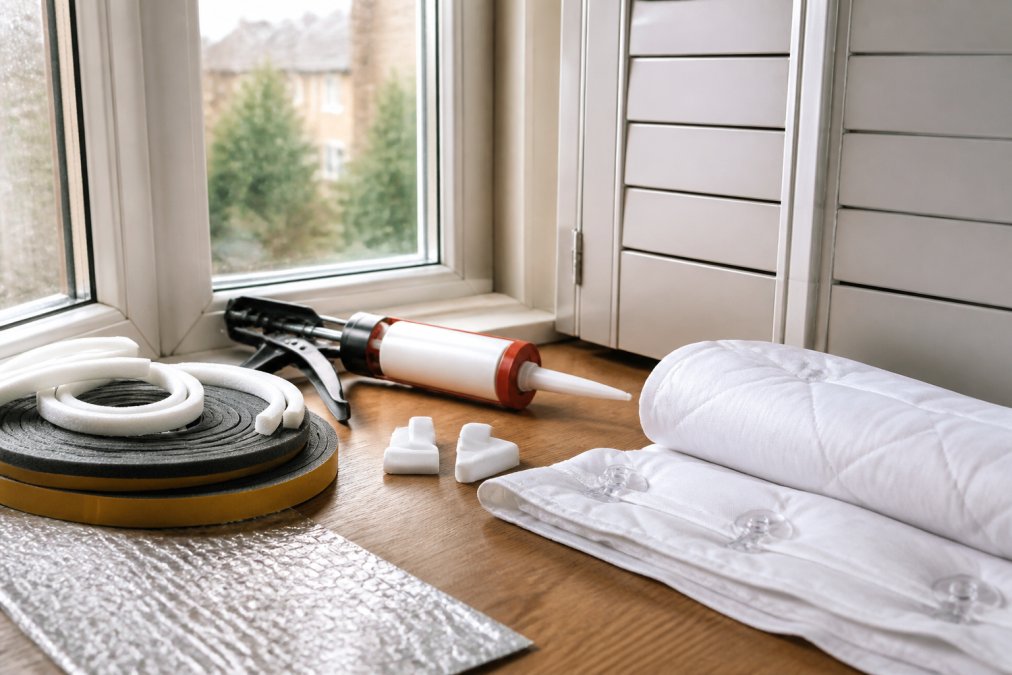
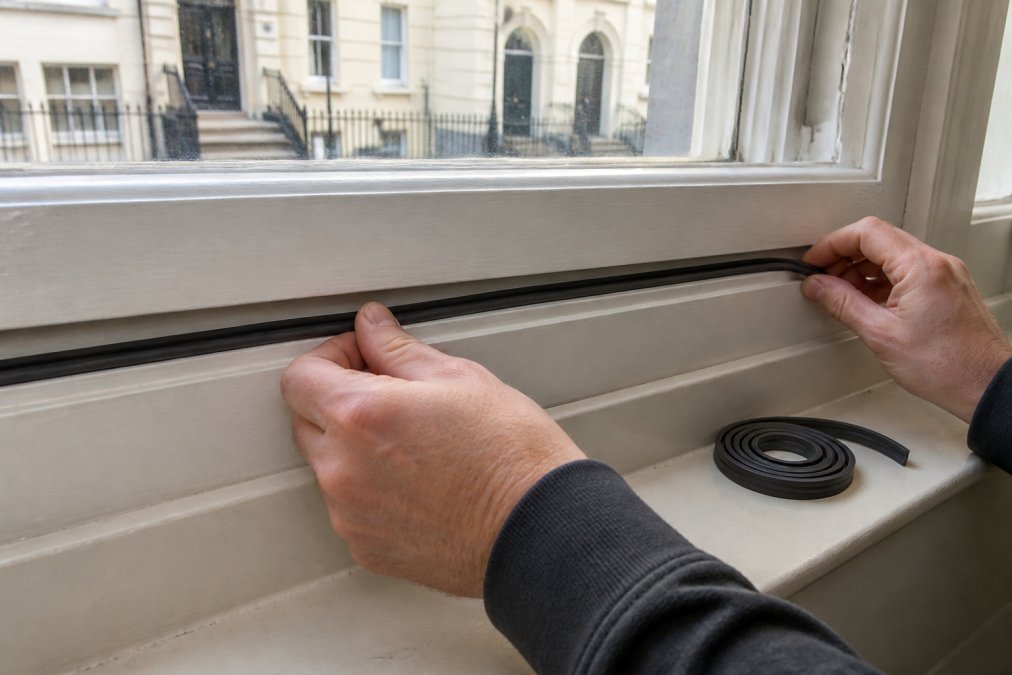
Draught-proofing sash windows is the cheapest and fastest way to reduce heat loss, and it targets the gaps where cold air physically leaks into a room. Older timber sashes warp and shrink over time, so the meeting rails, staff beads and pulley openings all become channels for draughts. A self-adhesive rubber seal presses into these gaps and blocks the airflow. A common mistake is sealing the pulley wheels completely, which stops the sash moving. In practice, brush or blade seals on the moving edges and foam strips on the frame give the best result without jamming the window.
2. Secondary Glazing: A Practical Option for Period Properties
Secondary glazing is a second pane of glass or acrylic fitted on the inside of an existing window, creating an insulating air gap that slows heat conduction. It suits period properties and conservation areas where replacing original windows is restricted or unwanted. The guidance on energy efficiency and historic buildings confirms that secondary glazing is generally acceptable where it does not harm the character of the building. Slimline aluminium systems preserve the original frame while cutting both heat loss and outside noise. For a DIY route, magnetic acrylic kits attach with magnetic strips and can be removed and reused each winter.
3. The Thermal Efficiency of Plantation Shutters Explained
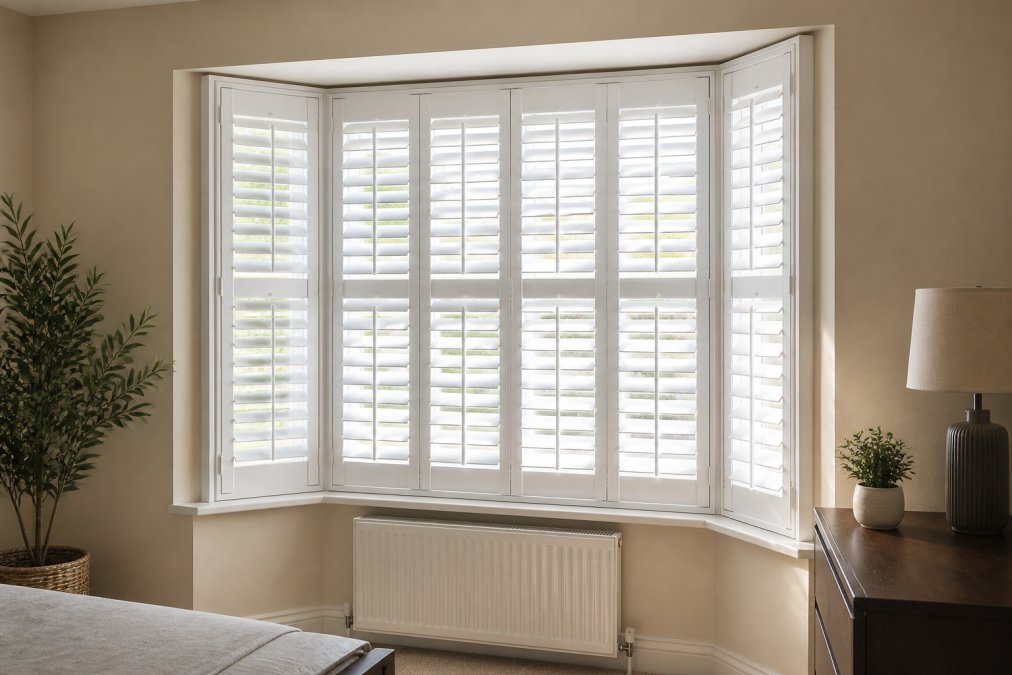
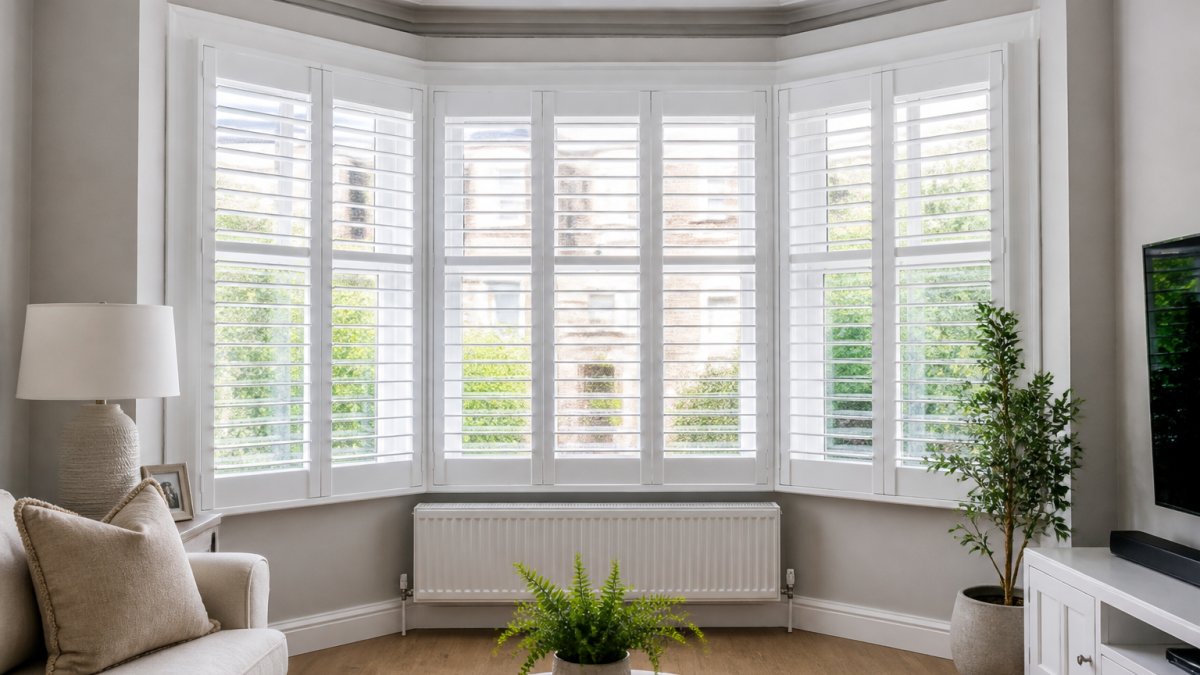
The thermal efficiency of plantation shutters comes from their solid timber construction and tight frame fit, which together create a rigid barrier that traps air between the shutter and the glass. Unlike fabric coverings, a fitted shutter does not billow or leave gaps, so it blocks conduction, radiation and draughts at once. This is where a bespoke approach matters. At Shutters West London, every set is made from scratch and 100% made-to-measure, never templated, which means even bay, arched and triangular windows get a precision fit that a standard product cannot match. The result is a permanent, low-maintenance barrier rather than a seasonal fix.
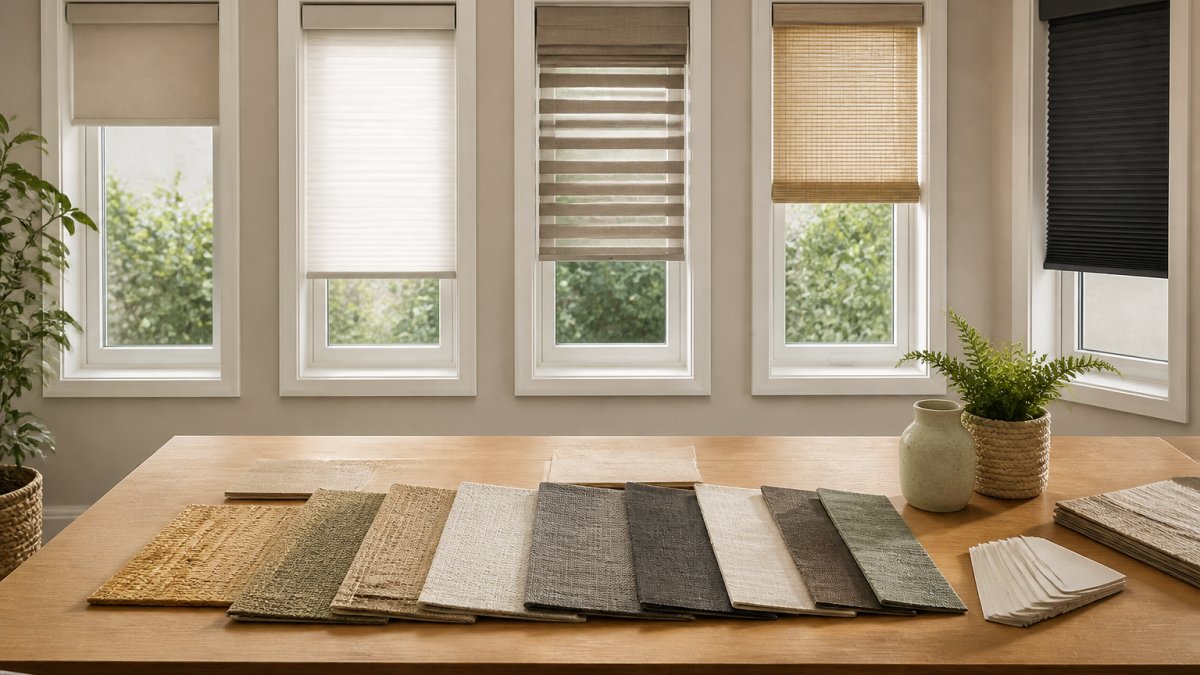
4. Thermal Curtains and Energy Saving Window Treatments
Energy saving window treatments work by adding a layer of insulation over the glass, and thermal curtains are the most accessible option. A heavyweight curtain with a thermal lining traps a pocket of air between the fabric and the window, slowing heat loss and reducing outside noise (energysavingtrust.org.uk). To get the most from them, fit the pole wider than the window and let the curtains drop below the sill, so the fabric covers the frame rather than just the glass. The limitation is that curtains only insulate when drawn, so they suit evening and overnight retention rather than all-day performance.
5. Sealing Gaps Around Frames with Caulk and Sealant
Sealing gaps around frames closes the structural cracks between the window frame and the surrounding wall, which are a hidden source of heat leakage. Over time, mortar and old sealant shrink and crack, letting cold air track into the room around the edges of the frame. A flexible, paintable caulk fills these joints and moves with the building rather than cracking again. What most guides miss is that this is an interior and exterior job: sealing only the inside leaves the outer gap open to wind-driven rain and air. Clean the joint, apply with a sealant gun and smooth before painting.
6. Reflective Radiator Foil: A Simple Fix for Windows Above Radiators
Reflective radiator foil is a low-cost fix for the common layout where a radiator sits directly beneath a window. Much of the heat from that radiator radiates towards the cold wall and window and escapes outward. Foil is cut to size and fixed to the wall behind the radiator, reflecting heat back into the room instead of letting it pass through. It is invisible once fitted and takes minutes to install. The catch is that it only helps where a radiator is present, so it is a targeted fix rather than a whole-house solution.
7. How to Reduce Heat Loss Through Roof Windows and Loft Conversions
Roof windows lose heat faster than vertical ones because warm air rises and collects at the highest point of the room, pressing against the glass. Purpose-made blinds are the answer here. Purpose-made blinds use a honeycomb structure that traps air and an aluminium coating that reflects heat back into the loft conversion. Because they are engineered for the specific window, they sit flush and leave no gaps for warm air to escape. For a loft room used daily, this is one of the highest-impact upgrades you can make.
| Method | Best For | Effort | Relative Cost |
|---|---|---|---|
| Draught-proofing | Sash and timber frames | Low | Low |
| Secondary glazing | Period and listed properties | Medium | Medium |
| Plantation shutters | Permanent, all-round barrier | Professional fit | Higher |
| Thermal curtains | Evening heat retention | Low | Low |
| Caulk and sealant | Frame-to-wall gaps | Low | Low |
| Radiator foil | Radiators under windows | Very low | Very low |
| Roof window blinds | Loft conversions | Low | Medium |
Cutting heat loss through windows is not about one expensive fix; it is about closing the gaps and adding the right barrier for each window in your home. For period properties with bay, arched or awkward frames, off-the-shelf coverings rarely fit properly, which is why bespoke shutters deliver the most reliable long-term result. Shutters West London offers free home consultations and measurements, 100% made-to-measure craftsmanship backed by 30 years of family-run experience, and full light control with optional blackout features. Get started with Shutters West London and request your free quote today.
Frequently Asked Questions
What is the most effective way to stop heat loss through windows?
The most effective single measure is installing secondary glazing or bespoke plantation shutters, which create a sealed air gap between the room and the cold glass. For a lower-cost approach, combining draught-proofing strips around the frame with thermal curtains delivers noticeable results. The best option depends on your window type, budget, and whether you own a period property where original frames must be preserved. A free home consultation can help you decide which method suits your windows.
Do plantation shutters help with heat loss?
Yes. The thermal efficiency of plantation shutters comes from their solid construction and precise fit. Unlike curtains that hang loosely, shutters sit flush within the window recess, creating a barrier that limits cold air movement and reduces heat escaping through the glass. Hardwood or high-quality timber shutters perform better than lightweight alternatives because the denser material holds more warmth in the room. For bay and arched windows, made-to-measure shutters close the awkward gaps that standard coverings cannot reach.
How much heat is lost through single-glazed windows?
Single-glazed windows lose heat significantly faster than double or secondary glazing because there is no insulating air gap between the glass and the room. The exact figure depends on the size and condition of the window, but the difference is noticeable on cold days. Draught-proofing sash windows and adding a secondary barrier such as shutters or film can reduce that loss considerably, often making a room feel warmer without turning up the thermostat.
Are thermal curtains worth the investment for energy efficiency?
Thermal curtains are a practical, low-cost option, particularly for large or awkward windows where other treatments are difficult to fit. Their multi-layered fabric traps air and slows heat transfer. However, they work best when paired with other measures such as draught-proofing or shutters, because curtains alone cannot seal the gaps around a window frame. If you want a permanent solution that also improves the look of the room, bespoke shutters offer better long-term performance.
Can draught-proofing windows significantly reduce heating costs?
Draught-proofing is one of the cheapest and quickest ways to cut heating costs. Cold air entering through gaps around sash windows forces your heating system to work harder. Self-adhesive rubber seals and silicone caulk fill those gaps for a modest outlay. While the saving per window is small, the cumulative effect across a whole house is meaningful. For period properties with many original windows, combining draught-proofing with shutters or secondary glazing gives the best return.