 how-to
Do Plantation Shutters Add Value to a Terraced House?
Last Updated: 24 October 2026
Quick Summary
Plantation shutters can add value to a terraced house, but the gain is rarely a simple uplift on the asking price. The real return comes from how they change a buyer's first impression, cut running costs, and solve the awkward window shapes that period terraces are full of.
- Shutters sit inside the reveal, so the full width of the window stays usable.
- The return is usually a faster, smoother sale rather than a higher valuation on paper.
- Shutters are fixed to the frame and built to last, unlike cheap blinds that fray and bend.
- The best rooms are the front reception room, the main bedroom, and any bathroom.
- Skip shutters where the frame is damaged and needs repair first.
Table of Contents
- Do Plantation Shutters Add Value to a Terraced House?
- How Shutters Change What a Terraced House Offers a Buyer
- What Drives Plantation Shutters Cost and the Return You See
- Plantation Shutters Versus Blinds: Which Holds Up at Resale
- The Best Rooms for Plantation Shutters in a Period Terrace
- Plantation Shutters for Rental Properties: Durability and Returns
- Where Shutters Do Not Add Value, and When to Skip Them
- Book a Free Home Consultation and Measure the Difference
- Frequently Asked Questions
Do Plantation Shutters Add Value to a Terraced House?
Plantation shutters can add value to a terraced house, but the gain is rarely a simple uplift on the asking price. The real return comes from how they change a buyer's first impression, cut running costs, and solve the awkward window shapes that period terraces are full of. At Shutters West London, we fit made-to-measure shutters into bay, arched, and irregular frames across the city, and the pattern we see is consistent: buyers pay for rooms that feel finished and private. A HomeOwners Alliance guide to adding value makes the same point about home improvements generally, that presentation and function matter more than the headline spend.
So the honest answer is: yes, but not in the way a kitchen or loft conversion adds value. For the broader picture, read our guide asking are plantation shutters worth it. Shutters are a finishing detail that supports a sale. Below, we break down exactly where the return shows up, what drives the cost, and when you should skip them entirely.
How Shutters Change What a Terraced House Offers a Buyer
What a buyer notices in a terraced house is rarely the shutters themselves. It is the effect: a room that looks calm, private, and finished without curtains cluttering the walls.
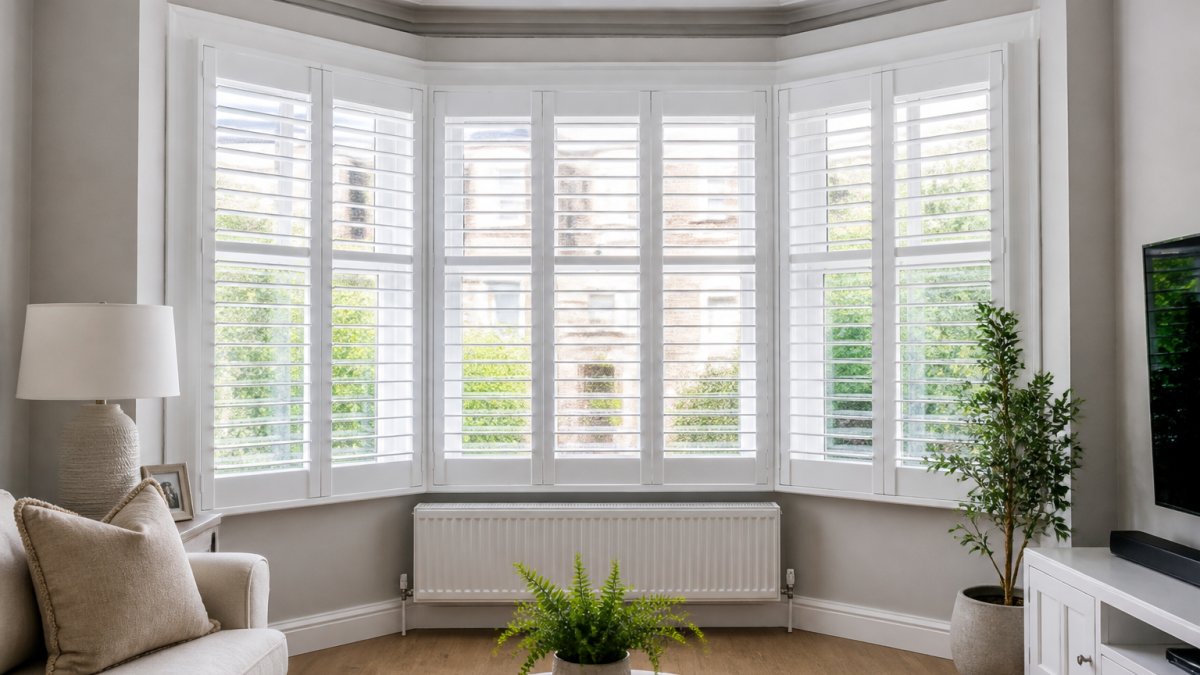
Terraces have narrow frontages and tall windows. Curtains eat into floor space and block the light that makes these rooms feel bigger. Plantation shutters sit inside the reveal, so the full width of the window stays usable. That matters in a small front room where every centimetre counts.
Three things buyers respond to:
- Instant privacy without net curtains, which many buyers see as dated
- Clean sightlines from the street, with no fabric hanging into the room
- A sense of quality that suggests the rest of the house has been cared for
That last point is the quiet one. A well-fitted set signals a seller who looked after the details. Buyers read that as lower risk.
What Drives Plantation Shutters Cost and the Return You See
Plantation shutters cost depends on window size, shape, material, and how many panels you need. There is no single figure, and any quote that ignores your window shapes is a quote you should question.
The main cost drivers:
- Window shape: bay and arched frames take more work than a flat rectangle
- Material: hardwood, composite, and MDF all price differently
- Panel count: wide windows need more panels to open and tilt properly
- Finish: custom colours and tilt rods add to the spec
The return is not usually a higher valuation on paper. It is a faster, smoother sale. A room that already looks finished removes a job from the buyer's list. That is worth more than a spec sheet suggests.
For the full breakdown of specification and what each choice means, our interior shutters buyer's guide covers the detail before you price anything up.
Plantation Shutters Versus Blinds: Which Holds Up at Resale
Plantation shutters versus blinds is where the argument usually settles. Both control light. They age very differently.
Cheap blinds are the first thing to break in a rental or a quick sale. Cords fray, slats bend, and the whole fitting starts to look tired within a few years. Buyers spot it immediately.
Shutters are fixed to the frame and built to last. They do not swing, tangle, or collect dust the way fabric does. In a terrace with tall windows, that durability is the whole point.
| Feature | Plantation Shutters | Cheap Blinds |
|---|---|---|
| Lifespan | Long, fixed to frame | Short, prone to wear |
| Light control | Tilt and full open | Limited, cord dependent |
| Effect on sale | Reads as finished | Often reads as a job to do |
| Cleaning | Wipe down | Dust-prone slats |
If you want the deeper comparison, our guide to plantation shutters versus cheap blinds sets out the trade-offs in full.
The Best Rooms for Plantation Shutters in a Period Terrace
The best rooms for plantation shutters are the front reception room, the main bedroom, and any bathroom. These are the rooms where privacy and light control matter most, and where a period terrace gives shutters the most to work with.
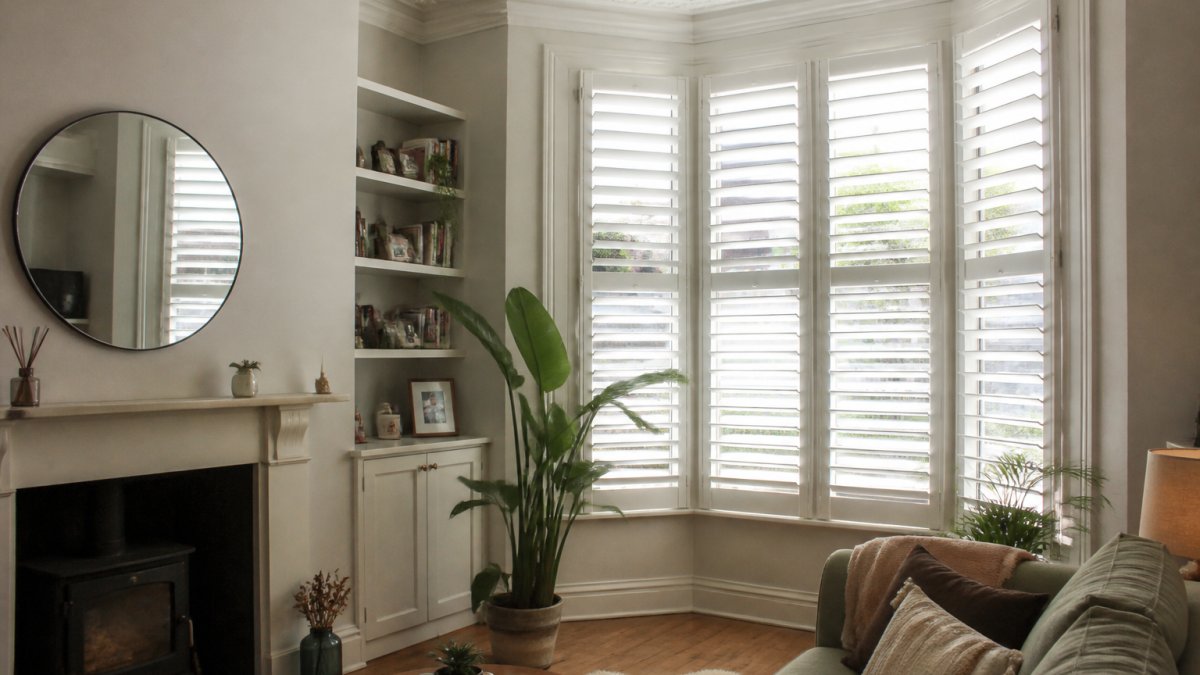
The front room is the obvious one. It faces the street, so privacy is a daily concern, and the bay is usually the best feature in the house. Shutters make that bay work instead of fighting it.
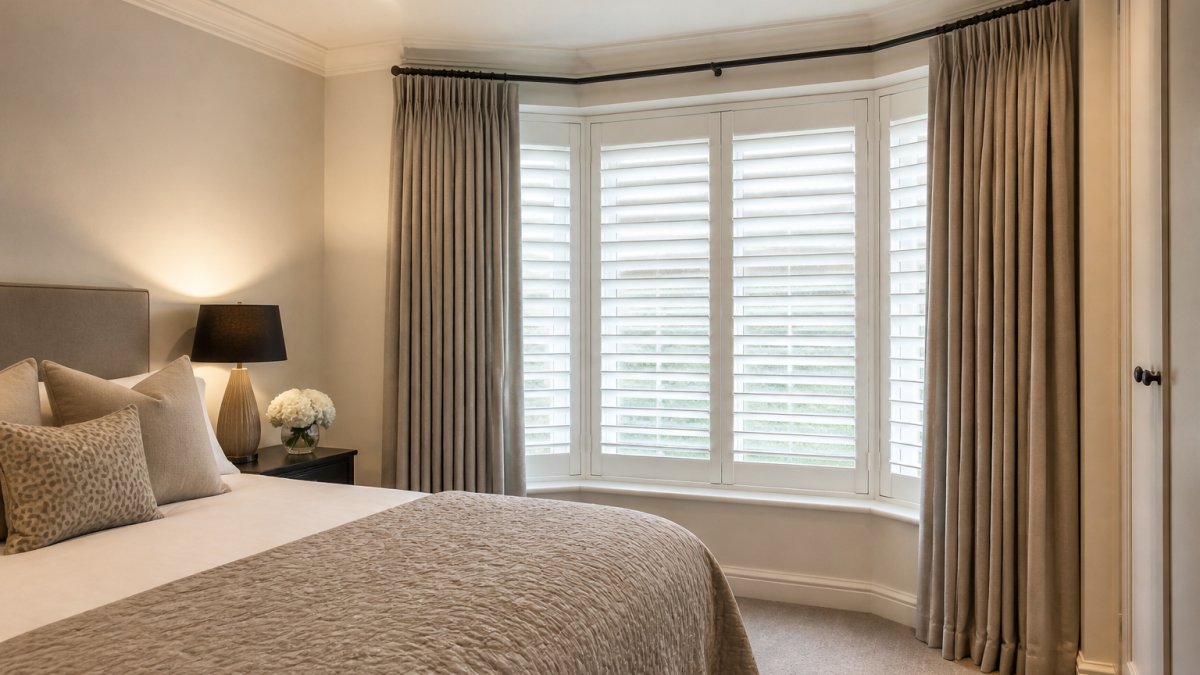
Bedrooms benefit from full light control, including optional blackout. Bathrooms need privacy that survives steam, which fabric handles badly.
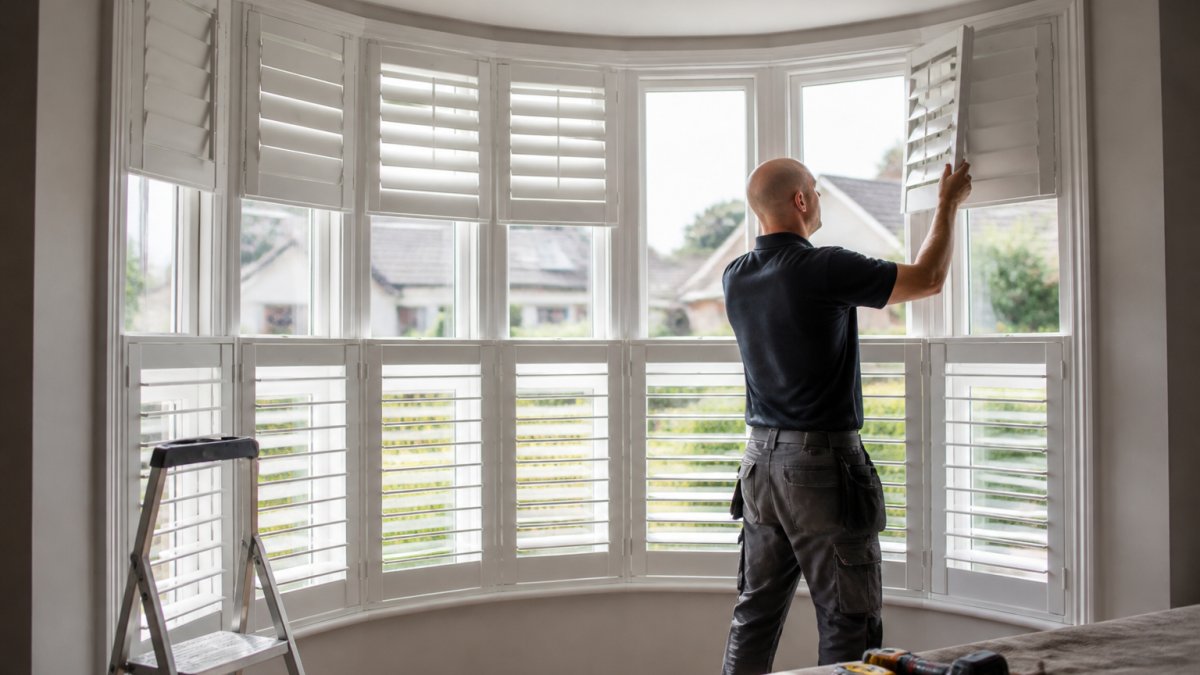
Victorian bay windows are the classic case, and our guide to plantation shutters for Victorian bay windows explains how the frames are handled.
Plantation Shutters for Rental Properties: Durability and Returns
Plantation shutters for rental properties make sense for one reason: they stop being a maintenance item. Landlords replace blinds repeatedly. Shutters, fitted properly, do not need replacing.
That changes the maths. A durable fitting that survives tenancies without repair protects the deposit conversation and reduces void-period work between tenants. Tenants also treat fixed fittings better than loose blinds.
Watch out: a cheap shutter fitted badly will stick and grind, and that is worse than a cheap blind. The fitting matters more than the material name.
Where Shutters Do Not Add Value, and When to Skip Them
Shutters do not add value when the window is wrong for them, or when the buyer will never see the benefit. Be honest about this before you spend.
Skip them if:
- The window is a small, high-level light you never open
- The room is being sold as a project, where buyers want to choose their own finish
- The frame is damaged and needs repair first, since shutters will not fix a rotten reveal
- You are selling within months and the cost will not be recovered
A common mistake is fitting shutters to every window in the house. The return is concentrated in the rooms buyers actually linger in. Spend there.
Book a Free Home Consultation and Measure the Difference
The only way to know what shutters will do for your terrace is to measure the actual windows. Guessing at cost or fit is how people end up disappointed.
We offer a free home consultation and measurement, with no pressure and no obligation. You see the options for your specific frames, including the awkward bays and arches that templated fitters avoid. If you want to understand the full process first, our guide to the bespoke shutter installation timeline walks through each stage.
Every terraced house has at least one window that nothing off the shelf fits properly. That is exactly the problem Shutters West London was built for: 30 years of family-run craftsmanship, 100% made-to-measure with every set made from scratch, and a 10/10 Checkatrade rating across all reviews. We specialise in bay, arched, and awkward shapes, with full personalisation of styles, colours, and tilt rods. Get started with Shutters West London and book your free home consultation to see what your windows can actually do.
Frequently Asked Questions
Do plantation shutters add value to a terraced house?
They can, but the gain is rarely a straight cash figure. Shutters are a fitting, not an extension, so surveyors do not usually add a line to a valuation for them. What they do is make a terraced house easier to sell: they solve the privacy problem created by windows that sit close to the pavement, they suit period proportions, and buyers treat them as a finished job they will not have to pay for. The return shows up in interest and offers rather than a formal valuation uplift.
Are plantation shutters better than blinds for resale?
For a terraced house, usually yes. Blinds are often the first thing a buyer mentally prices up for replacement, and cheap ones can make a room look tired. Plantation shutters are fixed to the frame, so they read as part of the property rather than a temporary dressing. In a bay or arched window, the fit is the deciding factor: a made-to-measure shutter follows the curve of the frame, while a standard blind leaves gaps at the edges that buyers notice.
Are plantation shutters a good choice for rental properties?
They suit rentals well because there is little to replace between tenancies. There are no cords to snap, no slats to bend and no fabric to stain, so a set that is fitted properly should outlast several blind replacements. Check your tenancy agreement and any leasehold rules before fitting, and keep the installation receipt: a durable, fixed improvement is easier to justify at the end of a tenancy than a worn blind. Pricing depends on window count and style, so ask for a measured quote.
Which rooms benefit most from plantation shutters?
Street-facing rooms get the most from them. A ground-floor front reception with a bay window gains privacy without losing light, and a front bedroom gains the same plus better light control for sleep. Bathrooms benefit from a material that copes with steam, and kitchens from a surface that wipes clean. Upper back bedrooms gain less, because the privacy problem is smaller and the window is often less prominent.