 ultimate-guide
Are Internal Shutters Worth It for Security? 2026
Table of Contents
- Internal Shutters Security: What They Actually Do
- Plantation Shutters vs Security Shutters: Know the Difference
- The Benefits of Internal Shutters for Home Privacy and Deterrence
- Do Shutters Add Value to a Property? The Investment Angle
- Drawbacks and Limitations: An Honest Assessment
- Cost-Benefit Analysis: Weighing the Security Spend
- Verdict: Are Internal Shutters Worth It for Security?
- Frequently Asked Questions
Last Updated: September 8, 2026
Home security is rarely a single decision. It is a layered set of choices, and window coverings rarely top the list of serious deterrents. Yet the question of are internal shutters worth it for security comes up constantly among homeowners upgrading period properties, particularly those with vulnerable ground-floor bay windows.
The honest answer is nuanced. Internal shutters are not a replacement for locks, alarms, or laminated glass. However, they serve a distinct role in a layered home security strategy, primarily through deterrence, privacy, and physical obstruction. At Shutters West London, we understand that the security conversation is more complex than most buyers expect. Below, we break down what they actually do, where they fall short, and whether the investment makes sense for your home.
Internal Shutters Security: What They Actually Do
Internal shutters provide a genuine but limited layer of physical security. A solid hardwood shutter with a locking tilt rod mechanism is significantly harder to force open quietly than a flimsy PVC blind or an open curtain. When closed and secured, they add a barrier that slows an opportunistic intruder, who typically targets the path of least resistance.
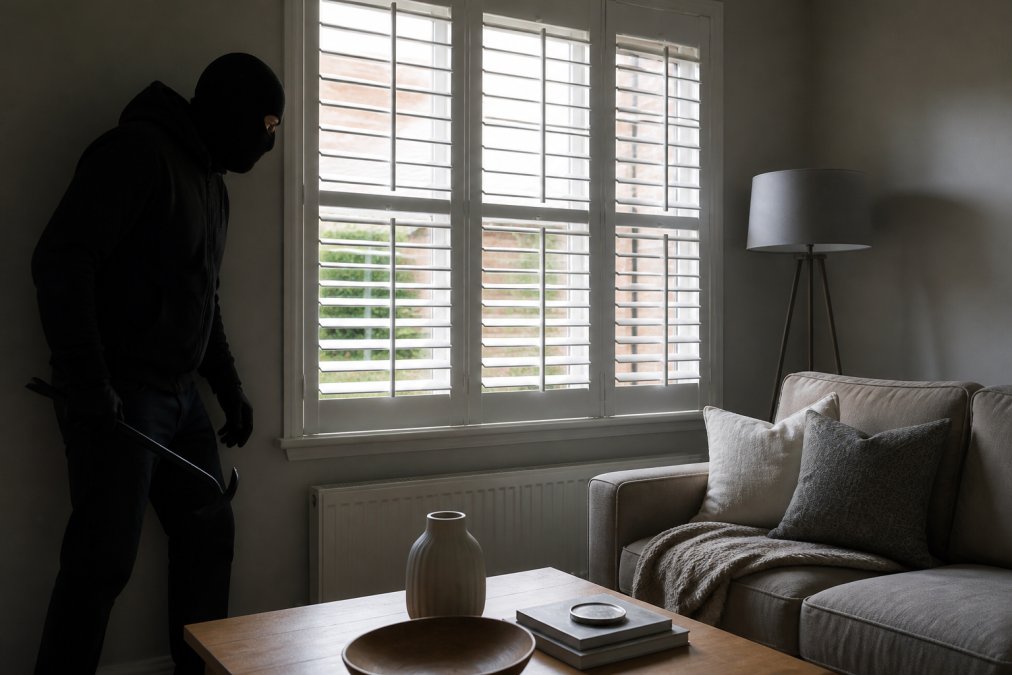
The primary security value, however, is psychological. A closed shutter obscures the view into your home, removing the visual cue that tells a potential intruder what is worth stealing. Most break-ins are opportunistic, and a home that hides its contents behind solid timber is far less appealing than one with an open sightline to a laptop on the kitchen table.
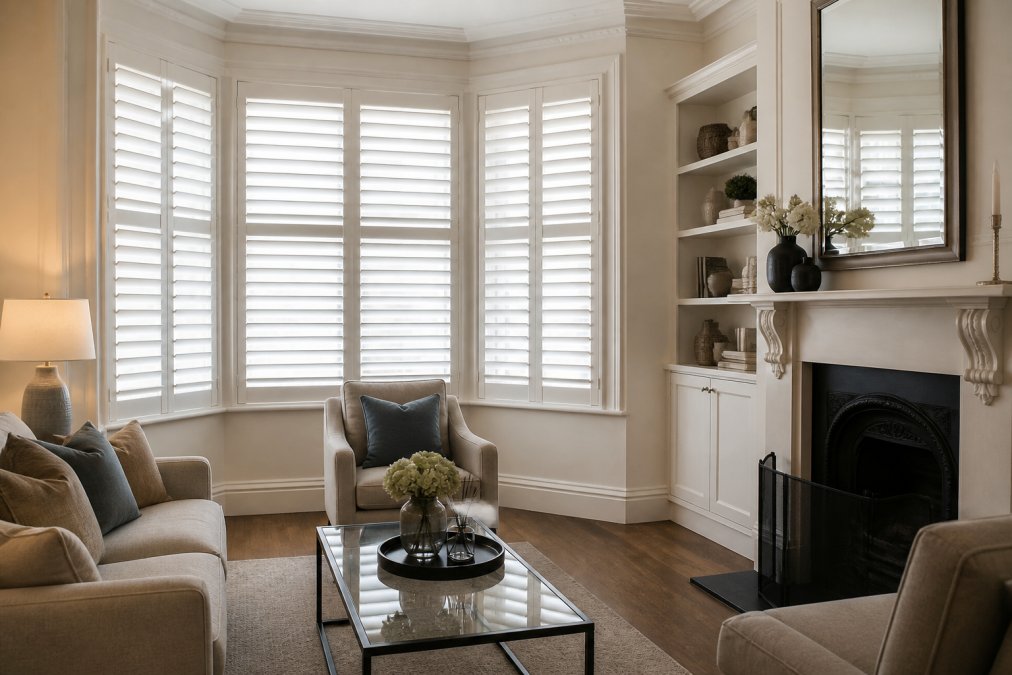
This deterrent effect is supported by broader crime prevention guidance. The Secured by Design initiative from the UK Police emphasises that visible security measures and reduced sightlines are key components of domestic crime prevention. Shutters contribute to both, even if they are not formally accredited security products.
Plantation Shutters vs Security Shutters: Know the Difference
A critical distinction separates internal plantation shutters from external security shutters, and confusing the two leads to unrealistic expectations. Plantation shutters are interior window dressings, crafted from timber or composite materials for aesthetics, light control, and privacy. Security shutters, typically external metal roller shutters or grilles, are engineered specifically to resist forced entry.
The difference matters because it defines what the product can reasonably achieve. External security shutters are designed to withstand physical attack, but they change the character of a property, often look institutional, and can be inappropriate for listed buildings or conservation areas. Internal plantation shutters preserve the architectural integrity of a period home while offering a modest deterrent layer.
For most residential settings, the question is not which is superior, but which fits the threat model. A ground-floor rear window in a quiet mews may only need visual deterrence. A street-facing commercial unit might genuinely require hardened external protection. Understanding this distinction, explored in detail by the UK Centre for the Protection of National Infrastructure on physical security measures, is the first step in making an informed choice.
The Benefits of Internal Shutters for Home Privacy and Deterrence
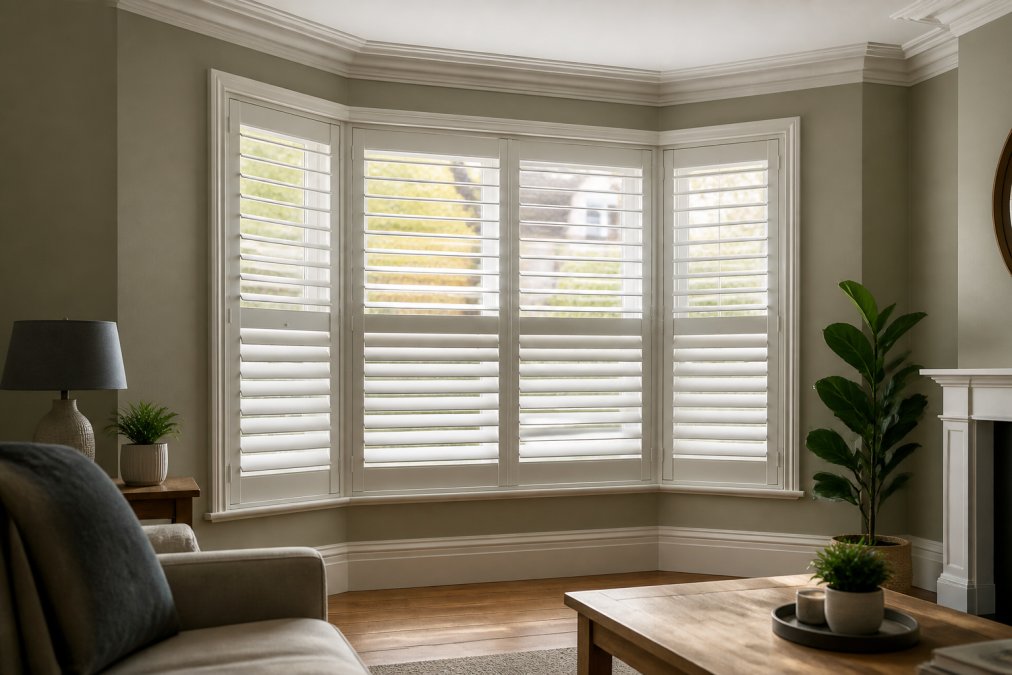
The benefits of internal shutters for home privacy extend well beyond simple security, which is precisely why they remain popular. Privacy is the function that delivers security benefits passively. With adjustable louvres, you can see out while controlling the view in, maintaining natural light without sacrificing seclusion.
This privacy creates a measurable deterrence effect. An intruder scouting out a property cannot easily determine occupancy patterns, room layouts, or the location of valuables when shutters obscure the interior. The uncertainty this creates is a powerful deterrent, as most offenders seek predictable, low-risk targets.
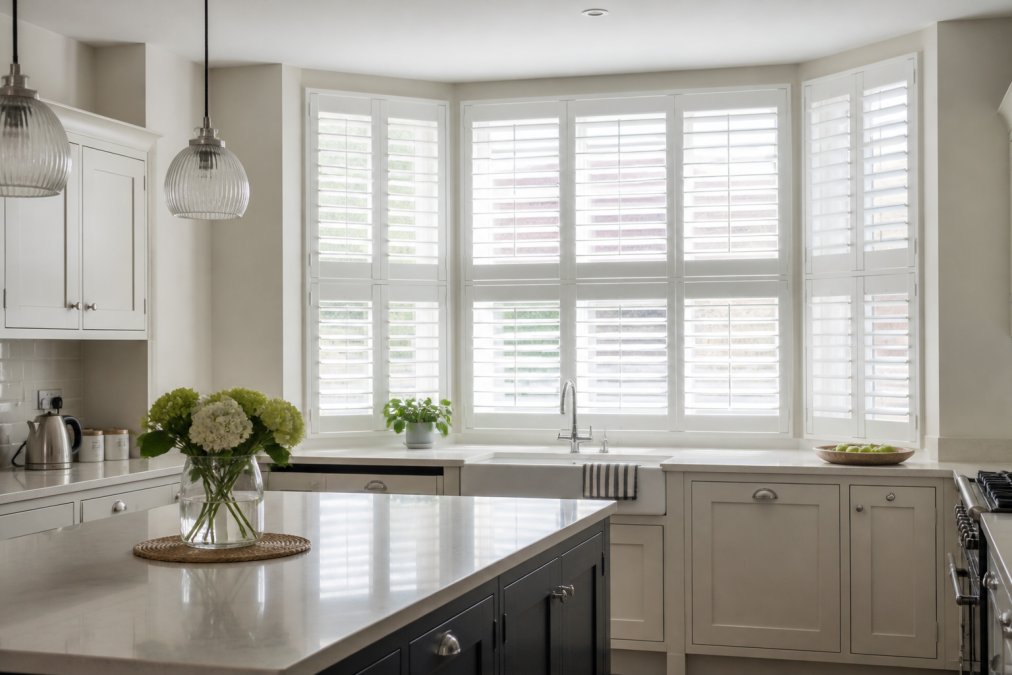
Beyond security, the practical benefits compound the value. Full light control with adjustable slats, thermal insulation that reduces heat loss through glazing, and noise dampening from solid timber all contribute to a more comfortable, efficient home. These benefits are why internal shutters remain a preferred choice for homeowners who want security features that do not feel like security features.
Do Shutters Add Value to a Property? The Investment Angle
Internal shutters can add value to a property, though the effect is more about buyer appeal than a direct uplift in valuation. In the London property market, where period features are prized, quality shutters are often cited as a desirable feature in estate agent particulars. They signal care and craftsmanship, much like original fireplaces or cornicing.
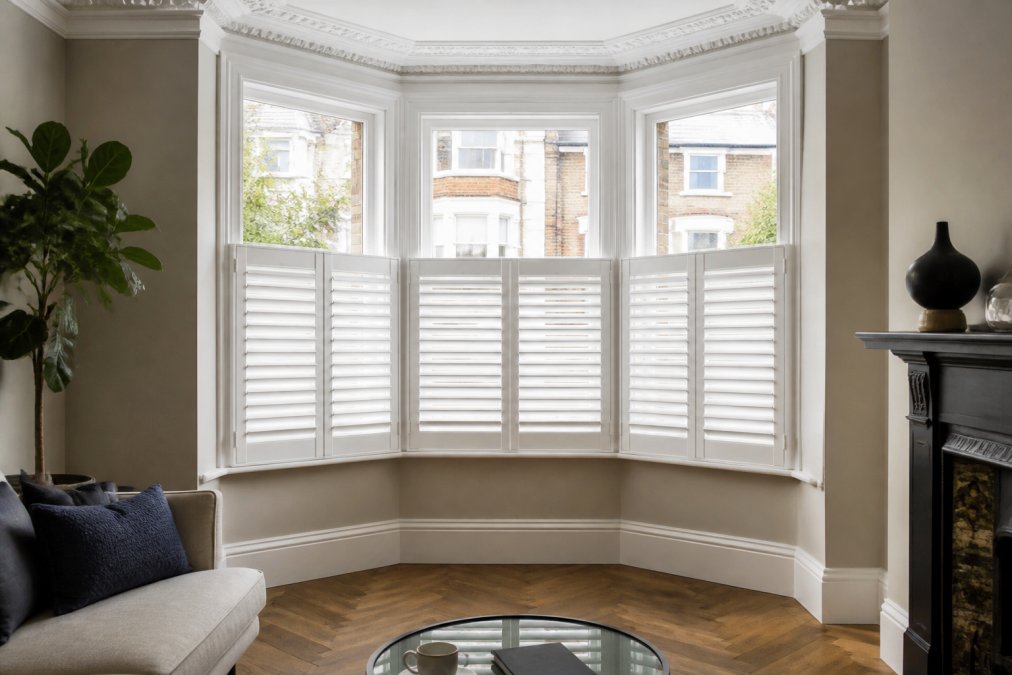
The value proposition is strongest in properties with awkward window shapes. Bay windows, arched frames, and bespoke openings are notoriously difficult to dress with off-the-shelf blinds or curtains. A made-to-measure shutter solution that fits these windows perfectly removes a functional headache for prospective buyers, making the property more attractive.
That said, the return is not purely financial. The daily benefit of light control, privacy, and aesthetic upgrade is realised over years of occupation. As noted in Homebuilding & Renovating's guide to window treatments that add value, buyers respond to quality finishes that demonstrate a property has been maintained to a high standard. Shutters contribute to that perception.
Drawbacks and Limitations: An Honest Assessment
Internal shutters are not a standalone security solution, and pretending otherwise does buyers a disservice. They will not stop a determined intruder with tools, and they do not meet the standards expected of certified security products. A brick through the glass remains a viable entry method regardless of what is mounted internally.
The limitations are practical as well as physical. Shutters must be closed and locked to provide any security benefit, which means they offer little protection when you are home during the day and want natural light. They also require the glass itself to be sound. A shutter behind a single-glazed sash window in poor condition is a weak link in the chain.
Cost is another consideration. Quality, made-to-measure shutters represent a significant investment, and budget options often use hollow materials that offer negligible security value and wear poorly. The decision requires honest assessment of whether the aesthetic and privacy benefits justify the spend, or whether the budget is better directed toward upgraded locks, security lighting, or a monitored alarm system.
Cost-Benefit Analysis: Weighing the Security Spend
When weighing the security spend, internal shutters rarely justify themselves on security grounds alone. The cost per unit of deterrence is high compared to simpler measures. A basic security camera or upgraded door lock delivers more tangible protection for less money. Approached purely as a security product, the arithmetic does not favour shutters.
The calculation changes when you factor in the complete benefit profile. Shutters provide privacy, light control, thermal performance, noise reduction, and aesthetic enhancement. The security benefit is one component of a multifaceted upgrade. When the full range of benefits is considered, the cost per benefit delivered becomes far more competitive.
For homeowners prioritising genuine security, the most effective approach is a layered strategy. The Metropolitan Police's crime prevention advice consistently recommends combining physical security measures with good visibility and lighting. Shutters form one layer of that strategy, complementing rather than replacing core measures like five-lever mortice locks and visible lighting.
Verdict: Are Internal Shutters Worth It for Security?
So, are internal shutters worth it for security? The direct answer is yes, with conditions. They are worth it when viewed as part of a layered security strategy, when the property has windows that benefit from privacy and obscuring sightlines, and when the buyer values the aesthetic and comfort benefits that come alongside the security function.
They are not worth it if you expect them to function as a primary security barrier. For that purpose, external security shutters or upgraded glazing are more appropriate. The distinction between a deterrent and a barrier is the crux of the decision.
For period properties with character windows, the conclusion is usually favourable. The security benefit is modest but real, and it arrives packaged with significant lifestyle improvements. The key is choosing quality. A well-crafted, made-to-measure shutter fitted to an awkward bay window delivers genuine value; a hollow, mass-produced alternative offers neither security nor durability.
Making the right call on shutters requires honest assessment of your property, your windows, and your security priorities. At Shutters West London, our 30 years of family-run craftsmanship means every set is made to measure from scratch, never templated, with a free home consultation to assess your exact needs. Our 10/10 Checkatrade rating reflects a commitment to quality that ensures your shutters perform and endure. Get started with Shutters West London and secure a free quote for shutters that protect your privacy and enhance your home.
Frequently Asked Questions
Do plantation shutters act as a deterrent to burglars?
Yes, they act as a visual deterrent. Closed internal shutters hide what is inside your home, so a burglar cannot see valuables to target. They also signal that the window is protected by something more substantial than curtains. While not a physical barrier against a determined break-in, the uncertainty and added effort they create make your home a less appealing target than a neighbour with open blinds.
What is the difference between security shutters and standard plantation shutters?
Security shutters are external metal barriers designed to physically prevent entry. Plantation shutters are internal window dressings made from wood or MDF. They serve different purposes: security shutters offer high-level physical protection, whereas internal shutters provide privacy, light control, and a degree of deterrence. For most homes, combining internal shutters with good window locks offers a balanced approach without the institutional look of external metal.
Do internal shutters provide better privacy than curtains or blinds?
Yes, internal shutters give you more precise privacy control. You can angle the slats to let in light while blocking the view from outside, something curtains cannot do. Unlike blinds, they have no cords that sag or gaps at the edges. The solid construction and tight fit of made-to-measure shutters mean no one can see through the sides, giving you consistent privacy throughout the day.
Do home insurance providers offer discounts for having shutters installed?
Some insurers may consider internal shutters as a positive security feature, but they rarely offer a specific discount on their own. Insurance premiums are primarily based on accredited locks and alarm systems. However, shutters that make your home appear occupied and protect valuables from being seen could support a lower risk assessment. Always check with your provider about what security measures they recognise before making changes.