 how-to
Bespoke Shutters for Bay Windows: A Fitting Guide
Table of Contents
- Why Bespoke Shutters Work for Bay Windows
- Measuring Bay Windows for Shutters
- Plantation Shutters for Bay Windows: Materials and Styles
- Cost of Bay Window Shutters and What to Expect
- Frequently Asked Questions
Last Updated: September 1, 2026
Why Bespoke Shutters Work for Bay Windows
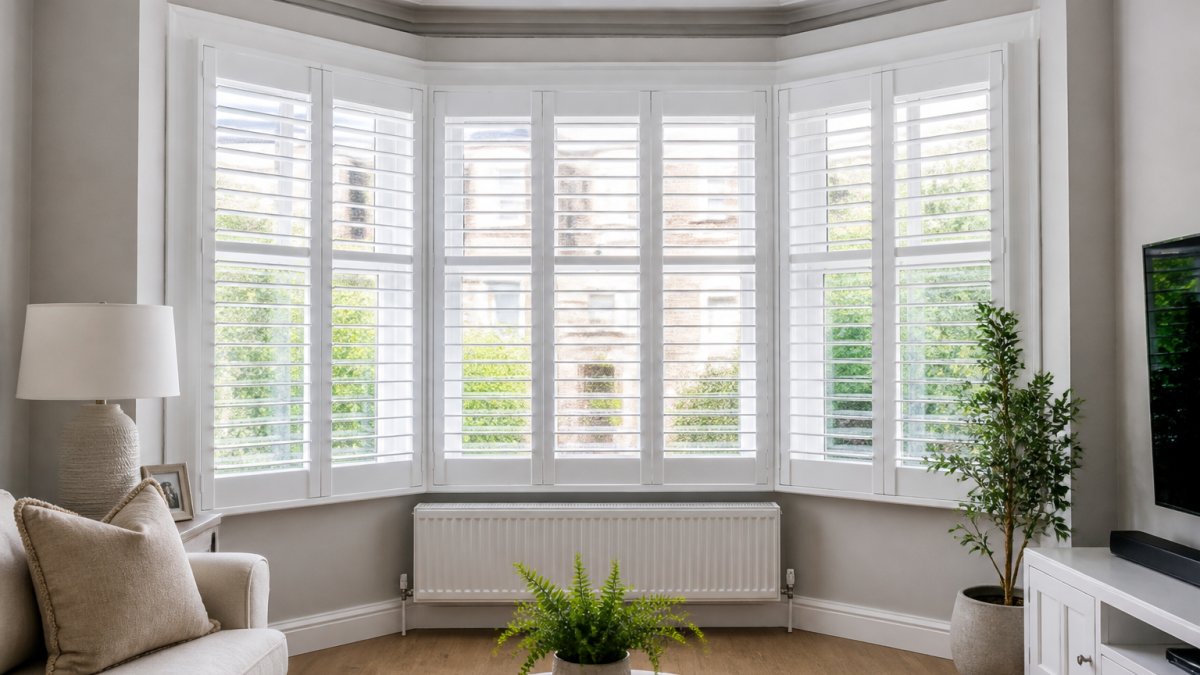
Bay windows present a genuine challenge for standard window coverings. Their angled frames, varying depths, and architectural complexity mean off-the-shelf solutions either leave gaps or require awkward compromises. Bespoke shutters solve this because they're built to fit the exact dimensions and angles of your specific window.
When shutters fit perfectly, they operate smoothly, close properly, and maintain functionality for years. A poorly fitted shutter sticks, binds, or leaves light leaks that defeat the purpose of installation. Custom-made shutters eliminate these problems entirely because every panel is crafted to match your window's unique geometry.
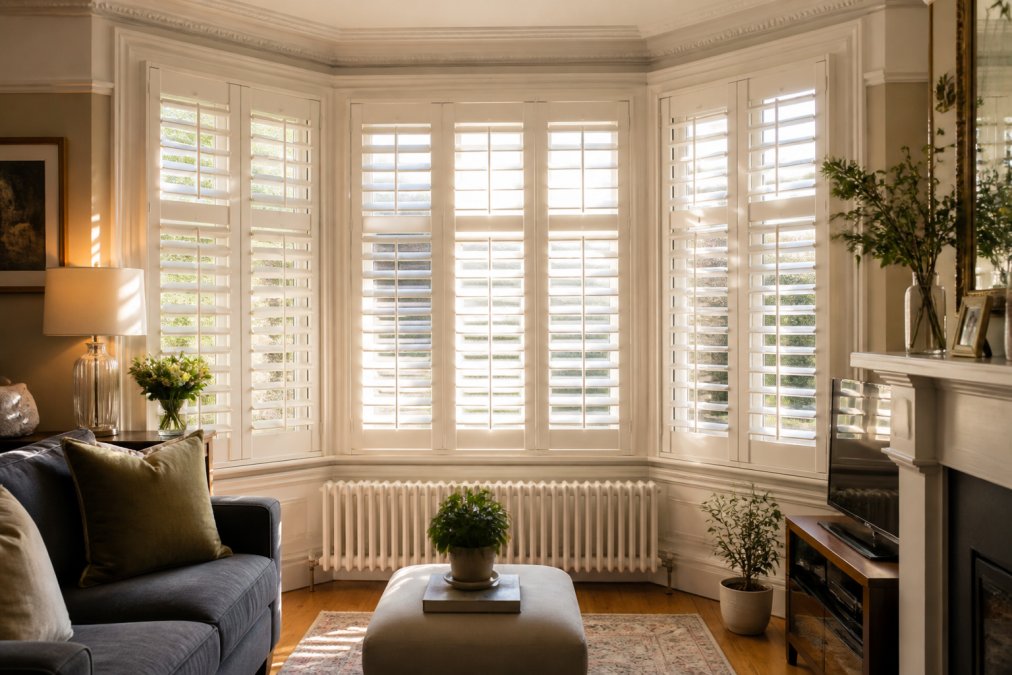
At Shutters West London, bespoke shutters transform awkward windows into architectural features rather than design problems, giving you complete control over light and privacy whilst enhancing the room's character.
Measuring Bay Windows for Shutters
Measuring a bay window correctly is essential because even small errors compound across multiple panels. Start by measuring the width of each individual panel section at the top, middle, and bottom of the frame, as width often varies slightly. Next, measure the depth of the bay at its deepest point, from the window frame to the sill edge. Record the height of each section independently, accounting for any cornicing or trim.
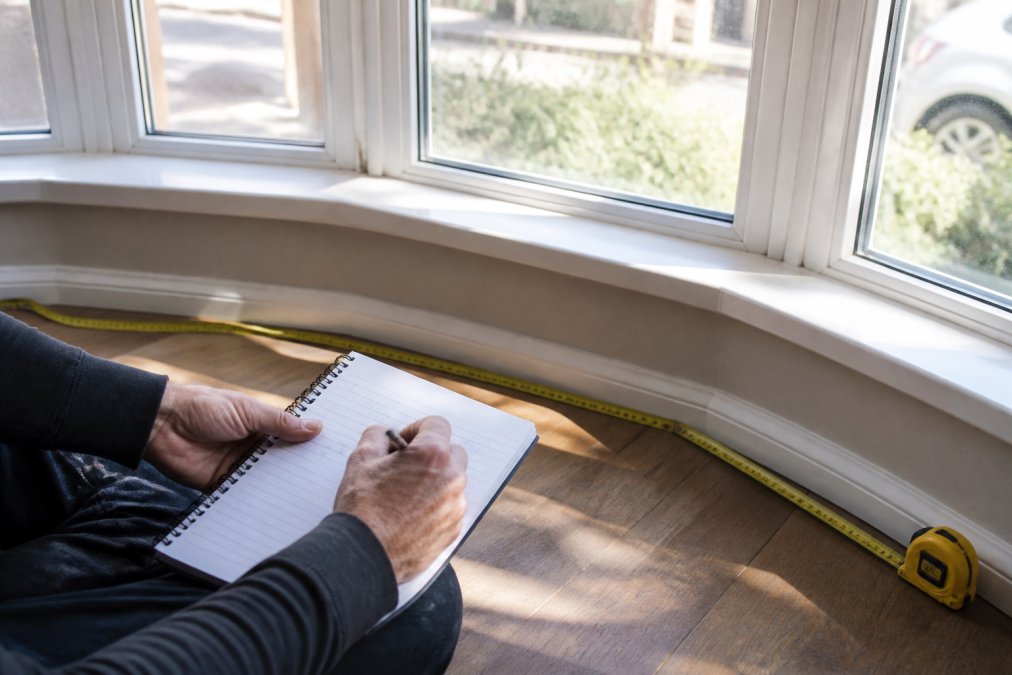
The most practical approach is to have a professional surveyor take measurements. They'll catch details you might miss, such as out-of-square frames or uneven sills, preventing costly remakes.
Plantation Shutters for Bay Windows: Materials and Styles
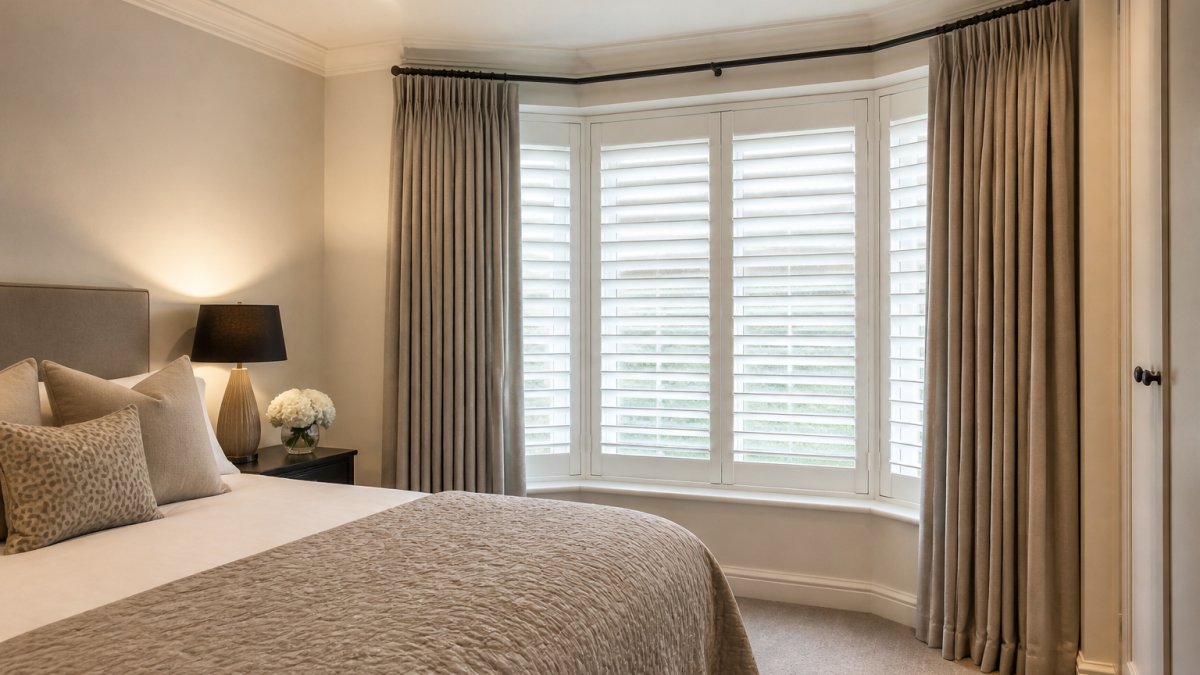
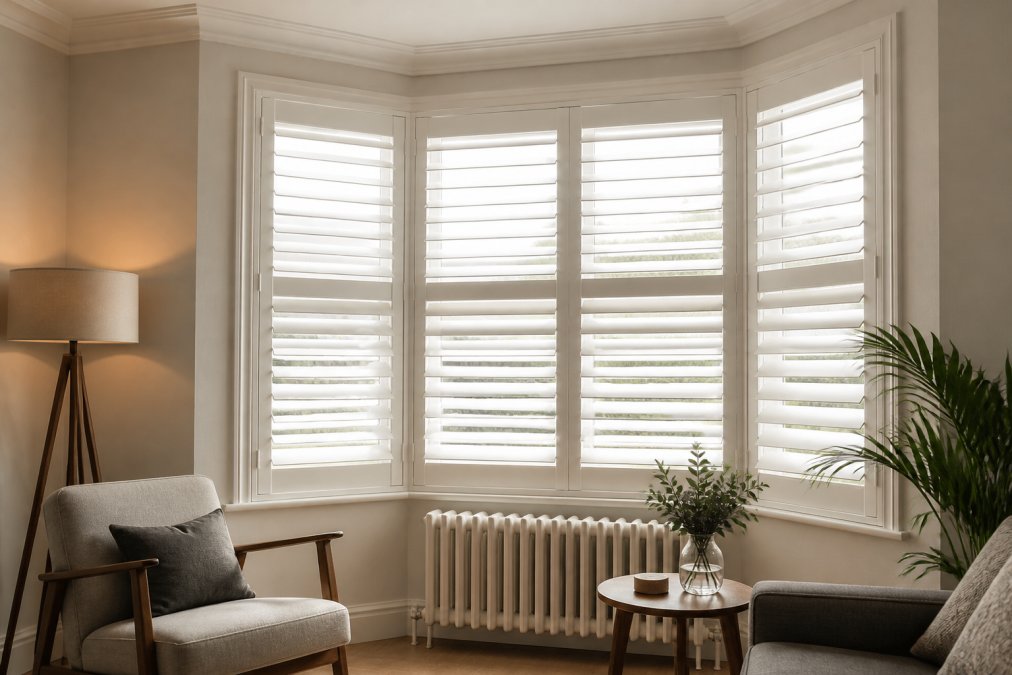
Plantation shutters remain the most popular choice for bay windows because their clean lines complement period architecture whilst working equally well in modern homes.
Hardwood shutters are the premium option, offering superior durability and natural aesthetics. Composite materials provide a middle ground, resisting warping and moisture better than softwood whilst costing less than hardwood. For bay windows in kitchens or bathrooms where humidity fluctuates, composite shutters often prove more practical.
Colour and finish choices matter significantly. White shutters offer clean, contemporary appeal. Painted finishes in neutral tones create subtle elegance. Natural wood finishes showcase grain and character, though they require more maintenance.
Tilt rod positioning affects both function and appearance. Centre tilt rods suit traditional aesthetics and period properties. Hidden tilt rods create a cleaner, more modern look by positioning the operating mechanism inside the shutter panels.
Cost of Bay Window Shutters and What to Expect
Pricing for bespoke shutters depends on material choice, panel size, finish complexity, and the number of sections your bay contains. Hardwood shutters command higher prices than composite alternatives, though their longevity often justifies the initial investment. Custom paint colours, staining, or special hardware selections increase costs. Installation complexity also influences pricing, a straightforward bay costs less than one with irregular geometry or architectural complications.
Requesting a detailed quote from specialists in bespoke shutters provides the clearest picture of actual costs. Quotations should itemise material, finish, installation, and any additional features, helping you understand where your investment goes. According to consumer advice on home improvement costs, transparent pricing is key for major home upgrades.
Bay windows deserve shutters that actually fit them. Bespoke shutters eliminate the compromises of standard solutions, giving you perfect fit, reliable operation, and a design that genuinely enhances your home. Shutters West London specialises in exactly this challenge, transforming awkward window shapes into elegant, practical focal points. Discover how our 30 years of craftsmanship handles complex bay window installations and get a free consultation to discuss your specific windows.
Frequently Asked Questions
Q: Are shutters a good idea for bay windows?
A: Yes. Bespoke shutters for bay windows offer complete light control, improved privacy, and enhanced aesthetics. Because they're custom-made to fit each angle and curve, they look seamless and professional. Unlike off-the-shelf options, made-to-measure shutters eliminate gaps and provide a polished finish that adds genuine value to your home's interior.
Q: How do you measure a bay window for plantation shutters?
A: Accurate measurement is crucial for bespoke shutters. Measure the width at the top, middle, and bottom of each panel, as bay windows often taper. Record the depth from the window frame to the wall, and note the angles where panels meet. Take measurements in millimetres for precision. A professional surveyor will verify these during a consultation to ensure perfect fit and operation.
Q: What materials are best for bay window shutters?
A: Hardwood and engineered timber are popular choices for plantation shutters on bay windows. Hardwood offers durability and a premium appearance. Engineered timber resists moisture and warping better, making it ideal for bay windows exposed to varying light and temperature. Both materials can be painted or stained to match your décor. Your choice depends on your climate, maintenance preferences, and budget.